

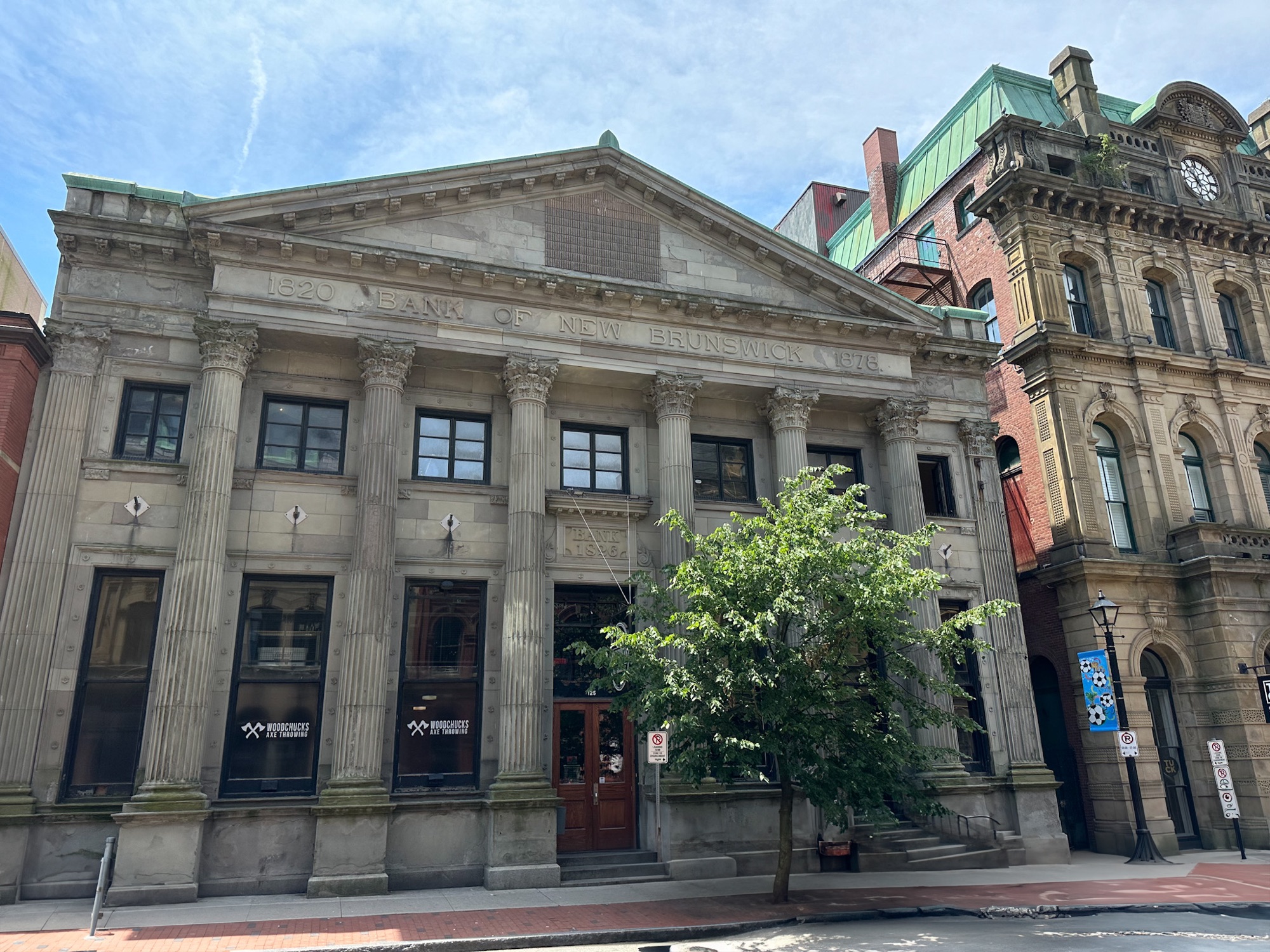
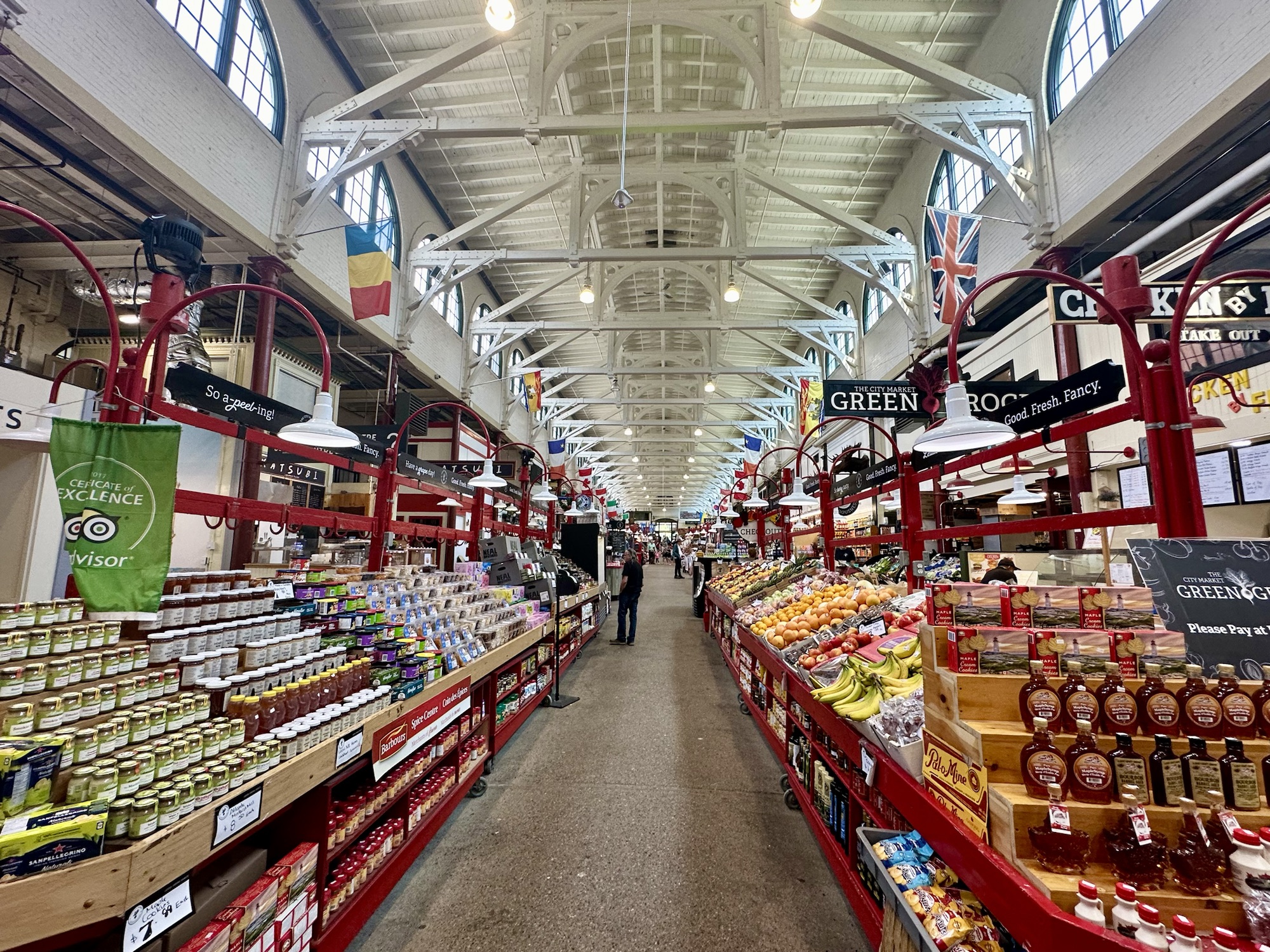
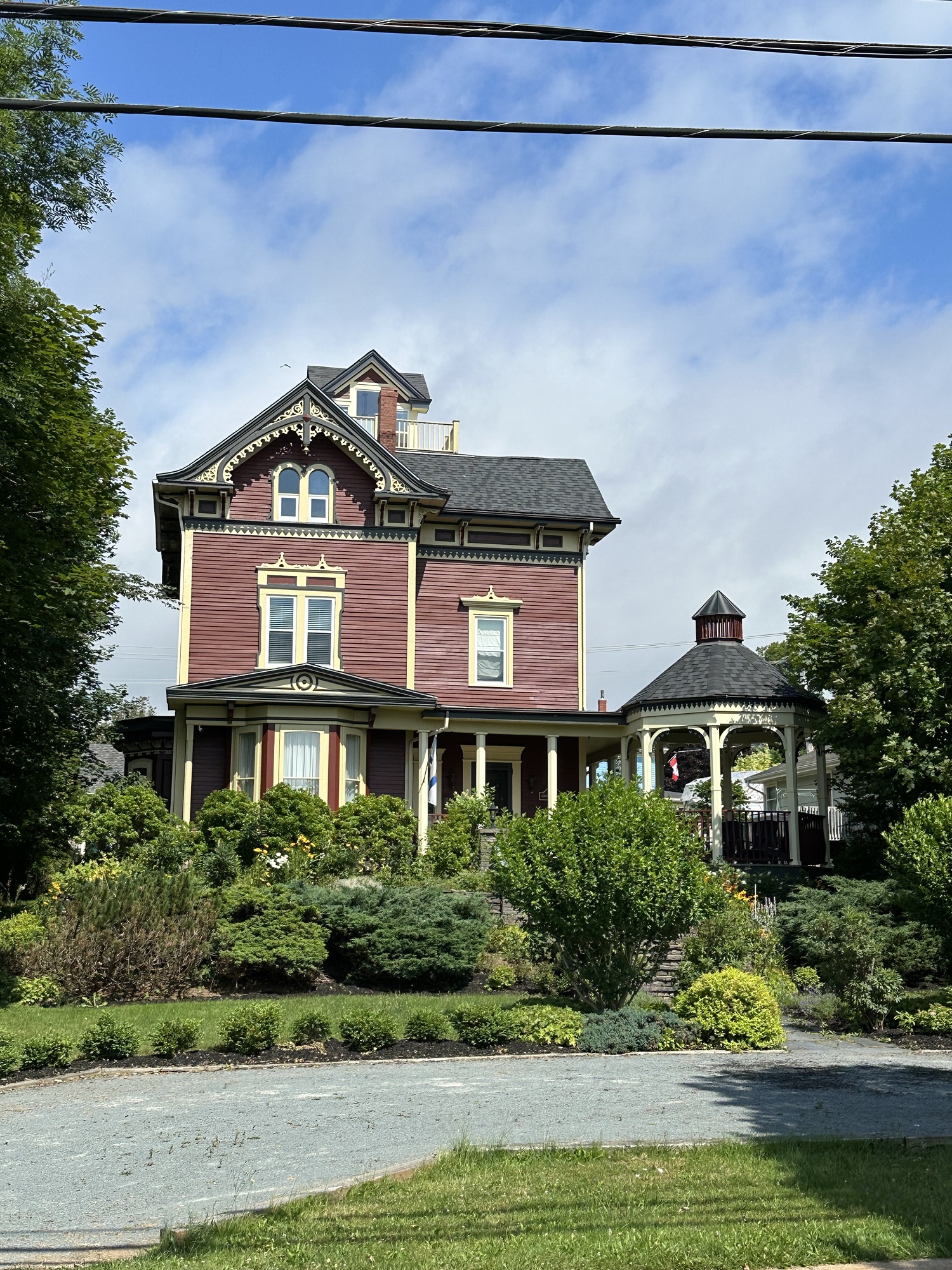
After a long chat with some Newfies at our first Canada stop we headed westish from Oak Bay, a pleasant drive with glimpses of the sea where it enters to Bay of Fundy, through Boreal Forest towards St George and then on to Saint John. Rich in maritime history, the centre is packed with stylish old buildings reflecting the ship building era upon which New Brunswick and Nova Scotia Provinces grew and prospered. We had a fabulous wander around the area including Saint Johns City Market. A wonderful old building with lots of market stalls and foodie options. A charming building which has retained many original features such as upper gantry offices. Its the oldest operating farmers market in Canada dating to 1785.




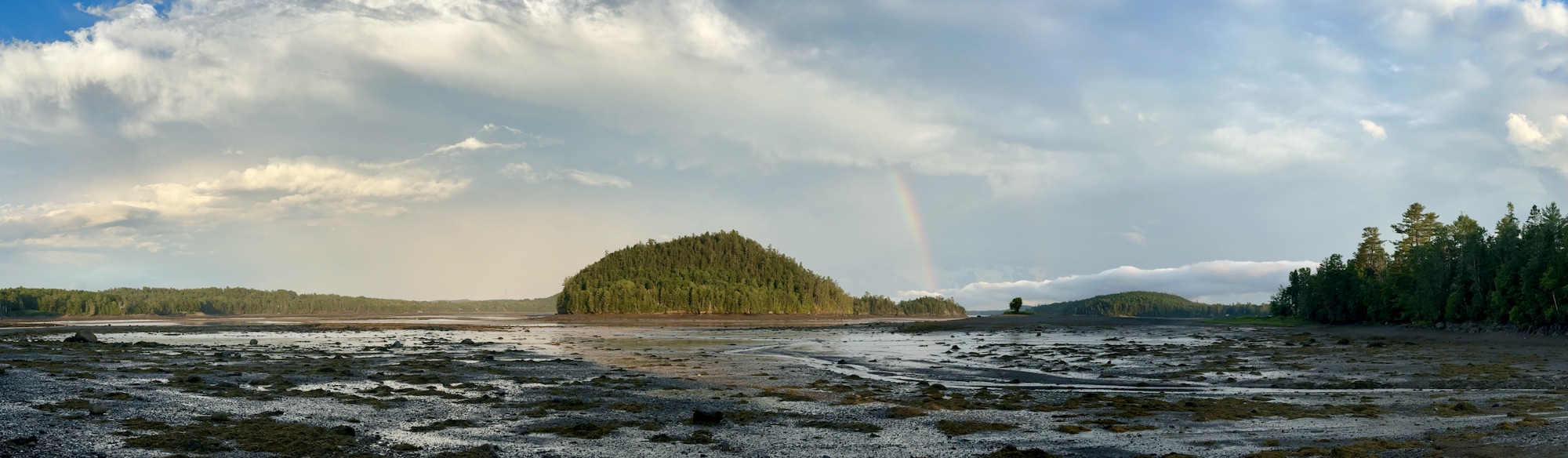
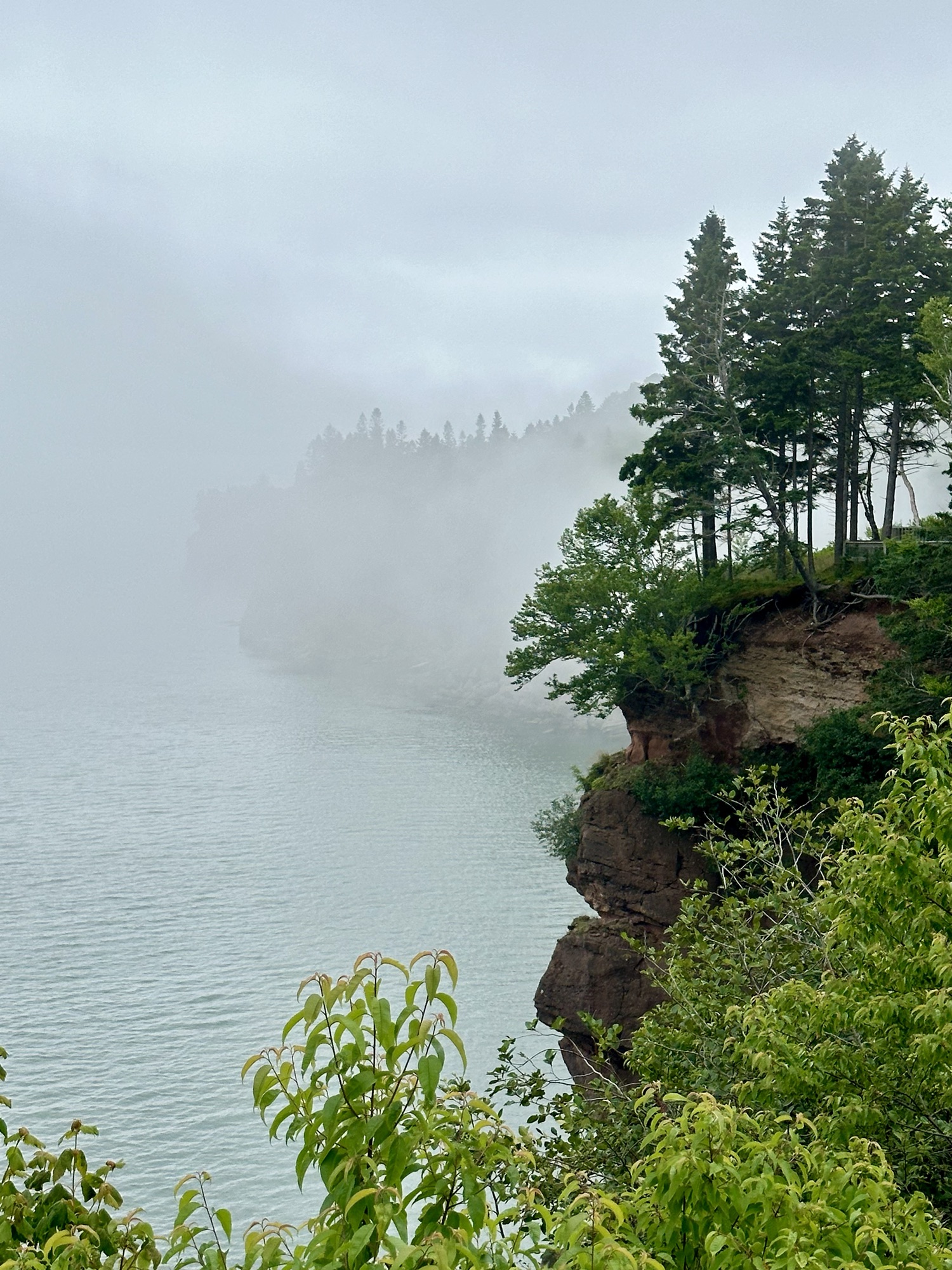
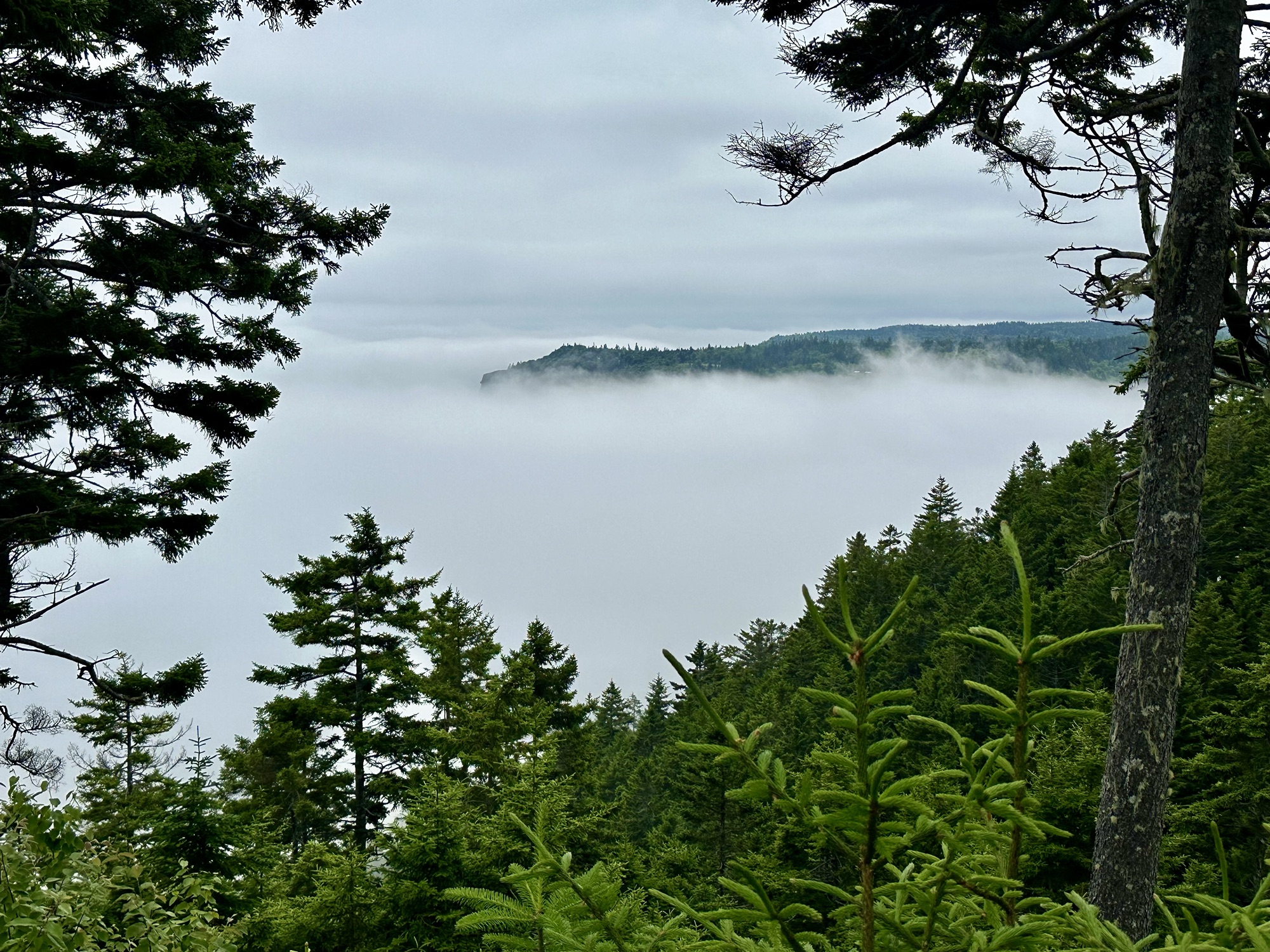
On the opposite end of The Bay of Fundy to when we were at the National Park at the very start of our adventures, we camped at the quaint town of St Martins where we were able to pick up, after a slog up some serious hills on our bikes, The Fundy Trail. Alone on the trail along the coast we were treated to mists rolling in and out, blanketing the tidal eroding red rock cliff edges, the ‘flower pots’ created as a result and the precarious houses that would soon need very long stilts to survive. Wonderful waterfalls, beach views and the visibly fast tidal flow, it made for a super ride, zipping in and out of the forested trail. At the end is a suspension bridge across the River Salmon and a great Interpretive Centre with the history of the logging trade, the backbone of the shipbuilding industry.

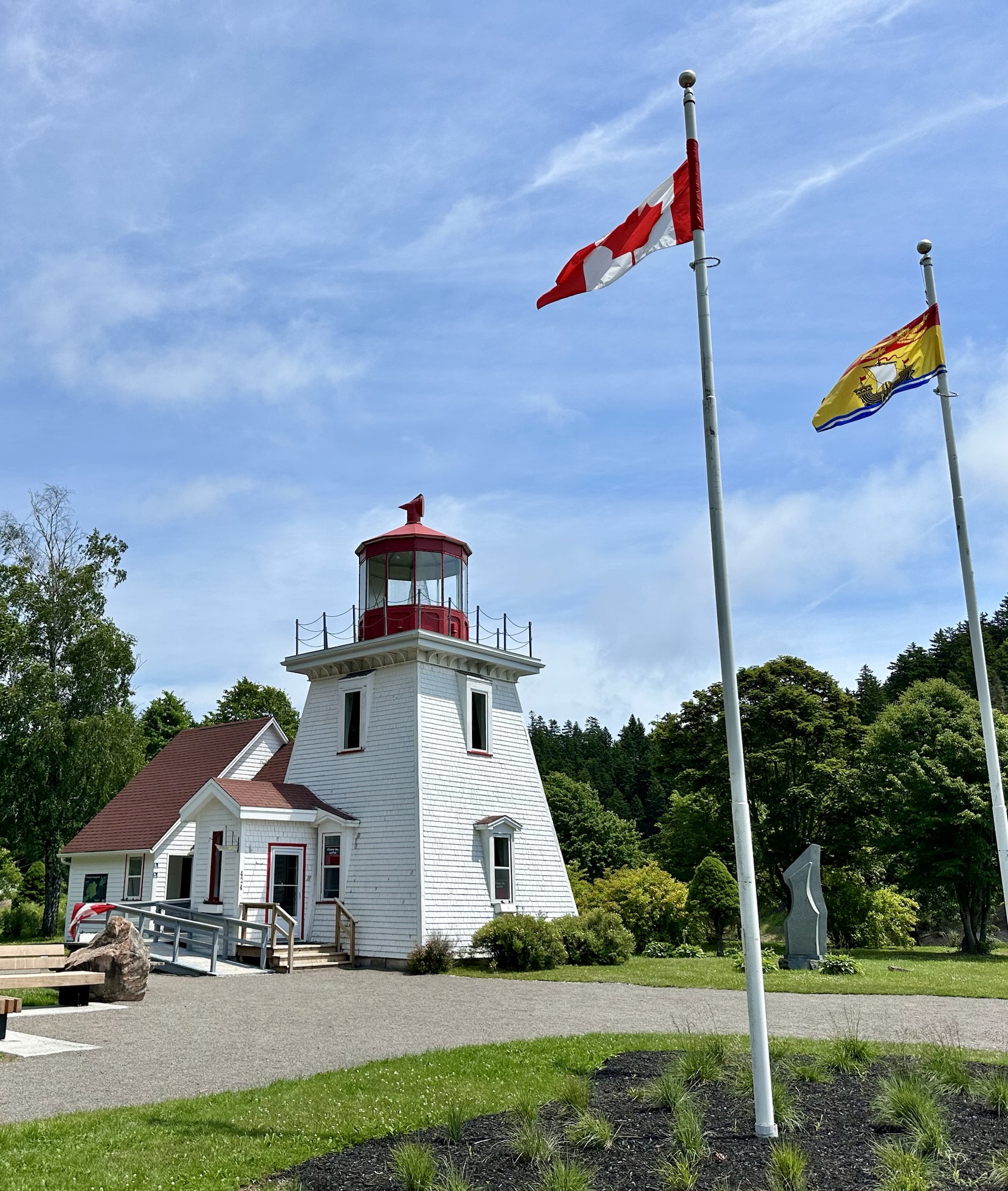


Over 6000 vessels were built in New Brunswick in the 19th century primarily at Saint John, Moncton and St. Martins, many exported to Europe. The coastline would have been awash with cargo and passenger ships, up and down, in perilous waters hence the numerous lighthouses. Modern technology alas brought decline to an industry that had prospered for over 100 years, now its a different type of vessel, the cruise liner, on which the places prosper. Save repeating one of our first blogs, The Bay of Fundy is famous for the worlds highest tidal reach plus its twice daily tidal bore. A tour guide described it to an American group as equivalent to sliding up and down your bath tub…. the tidal bore being the subsequent wave 😉 Anyhow, good job we were early as the bore arrived half an hour early and some people ‘having lunch’ missed it. I’m not sure nature runs by a clock!


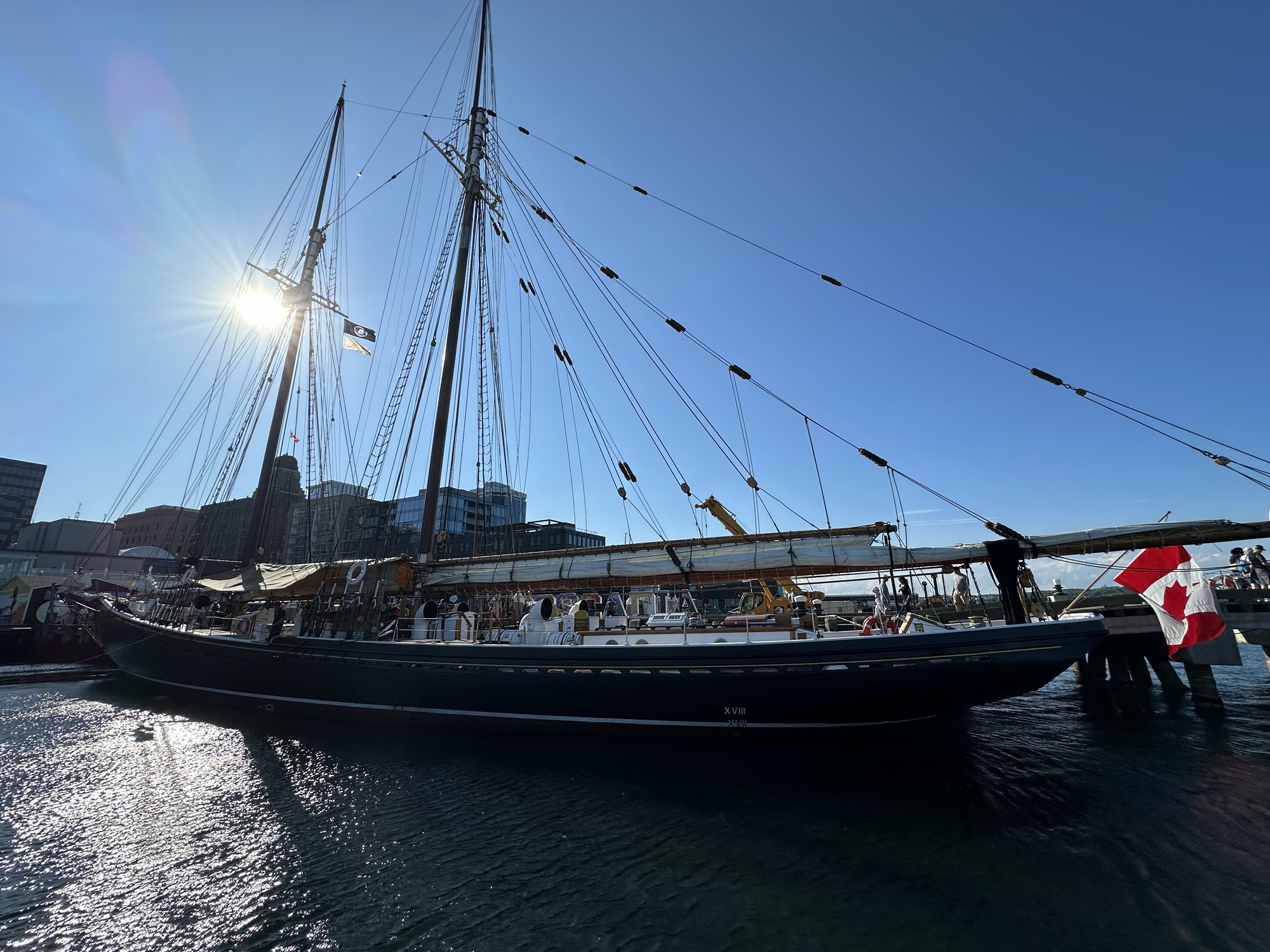
A short stop near Halifax for practical stuff, like Jigsaws rabies jab for the return to UK, was next but we took time out to wander the Halifax harbourside summertime. Very different to last time, it was buzzing with people, lots of stalls selling all kinds and a hanging out type of vibe as it was also Halifax Jazz Festival. We met up with a couple we’d met in South Dakota for a natter over coffee too. The famous Bluenose Ⅱ was moored up which was a sight to behold. The Bluenose 1 was the largest Schooner ever built and it’s on the back of the Canadian dime coin. Built in 1921 in Lunenburg, the 25T fishing vessel was also an award winning racing yacht. Sadly destroyed in a storm off Haiti in 1946, the Bluenose Ⅱ replica was launched in 1963.



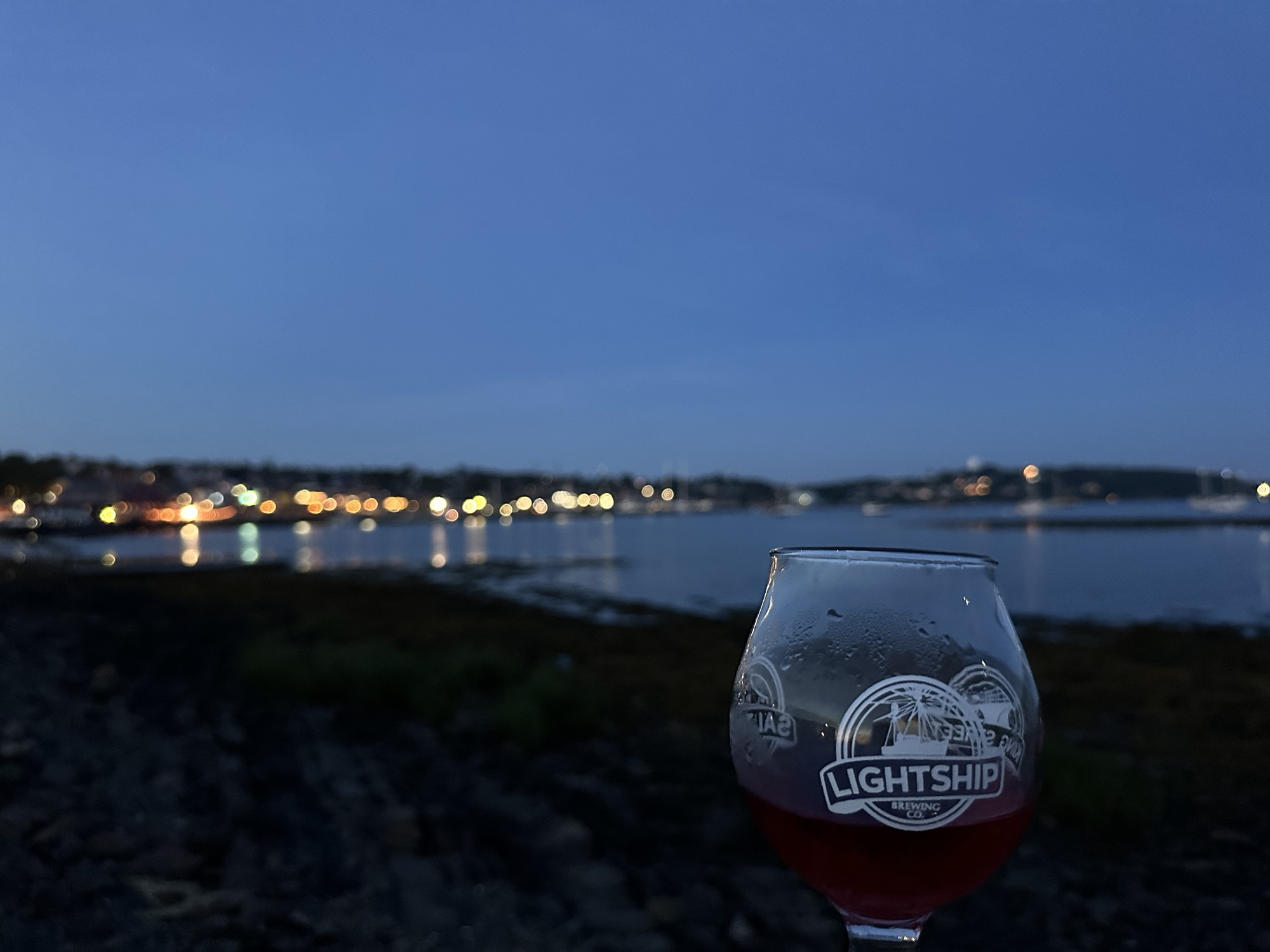
After hanging around for a day or so with Joanie and Greg, and their neighbours, admiring the sea views and ‘Maritimes weather’ (mist and fog basically!) we carried on to The South Shore part of NS. A stop at a brew pub in Lunenburg made for an evening with the locals at their trivia night. As a two person team (we’re not bitter about the sixers) we didn’t let ourselves down finishing just outside the medals in fourth. Let down only by our lack of Disney movie soundtrack knowledge it was a very short stagger/walk back to the van in the car park for the night. A fabulous spot though, by the water, drifting off to the soundtrack of distant fog horns.
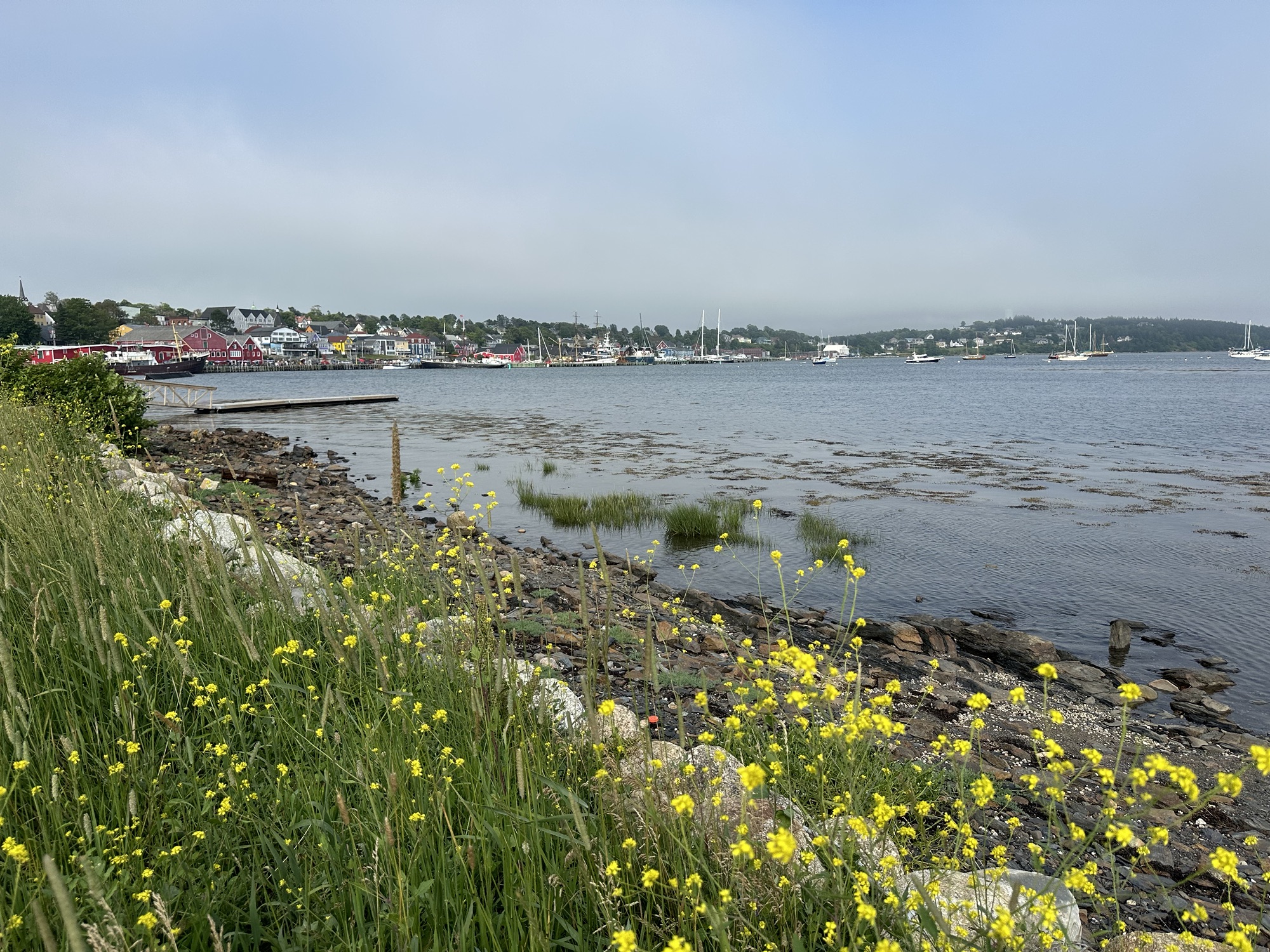

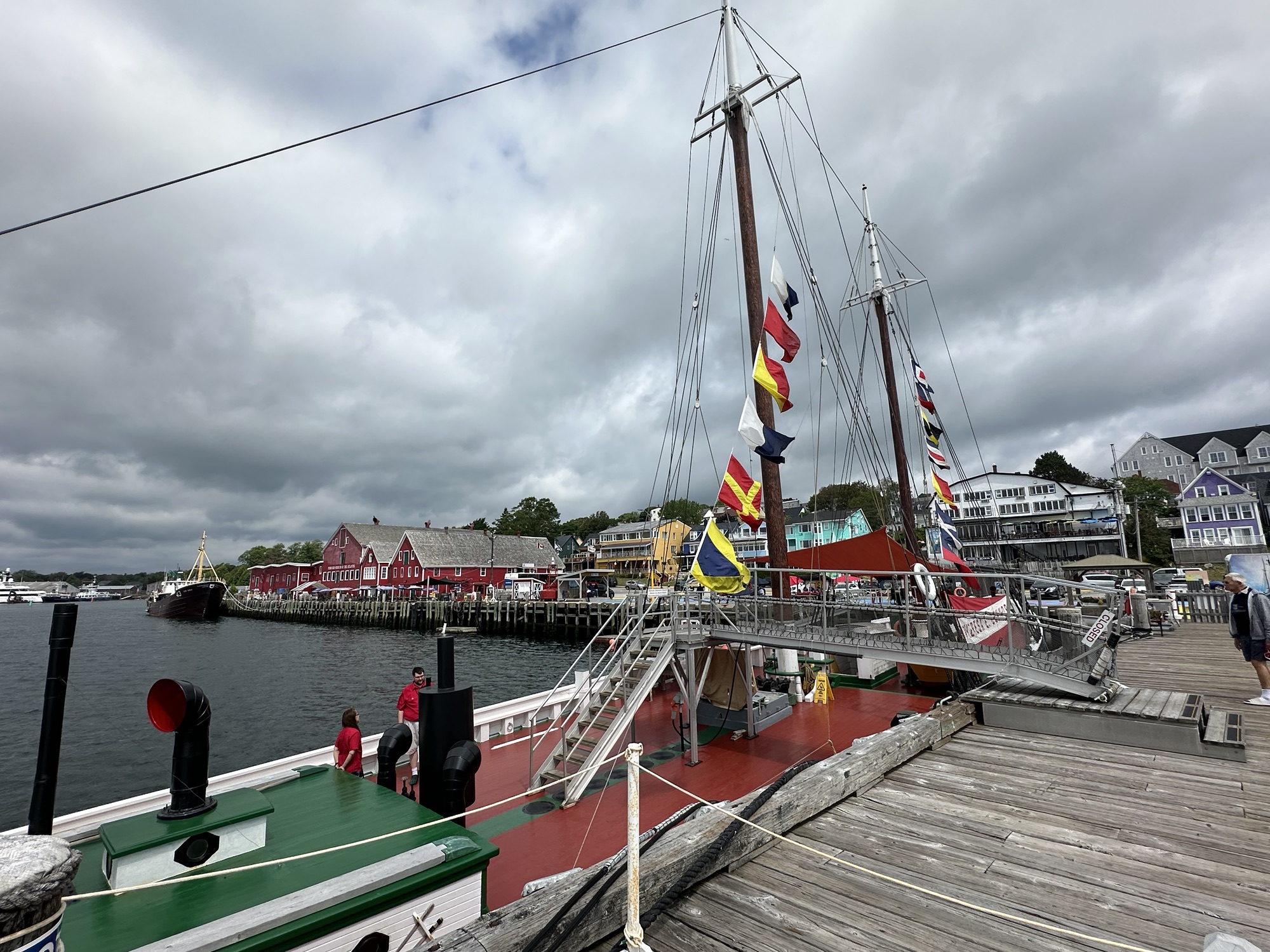
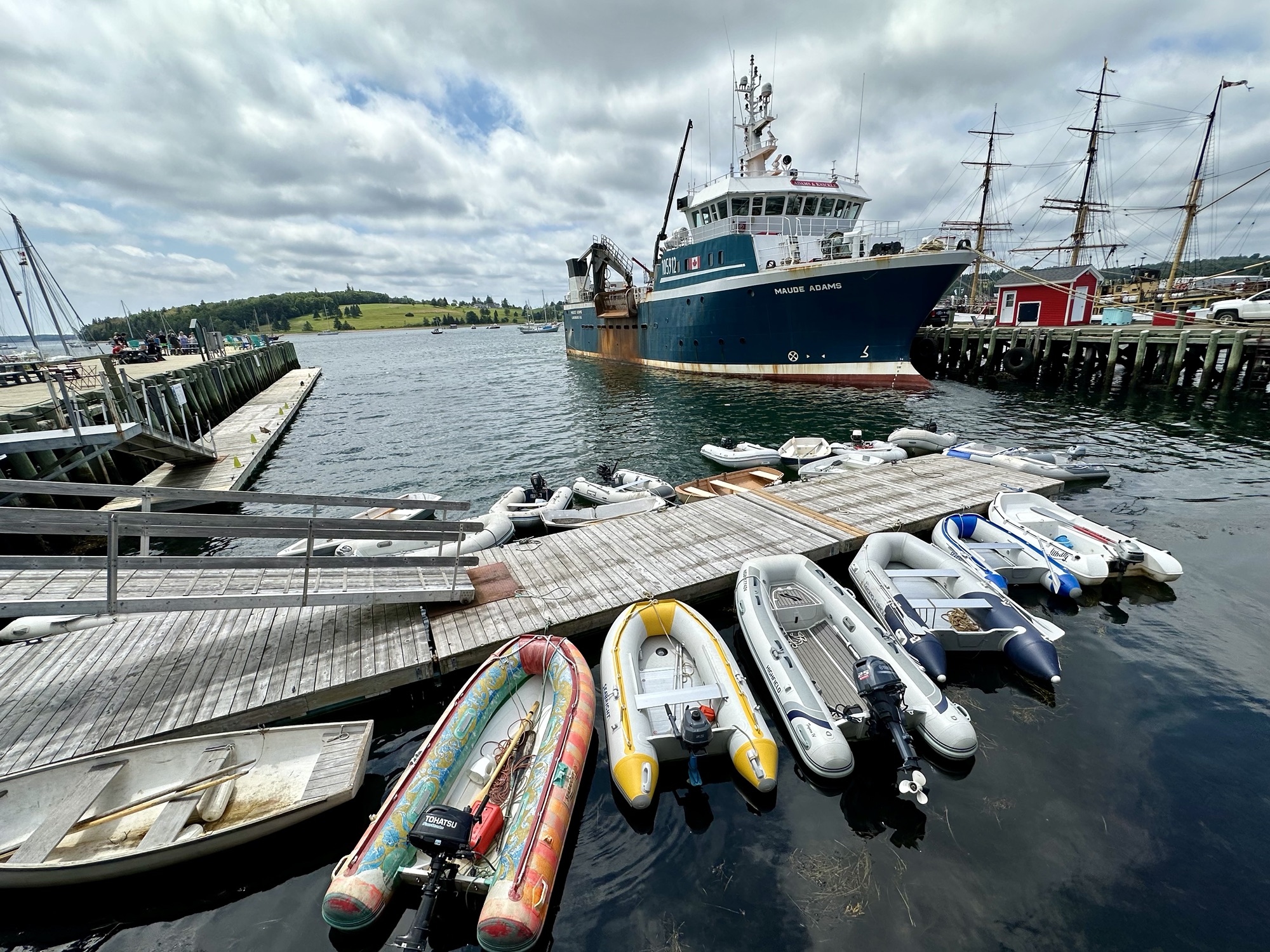
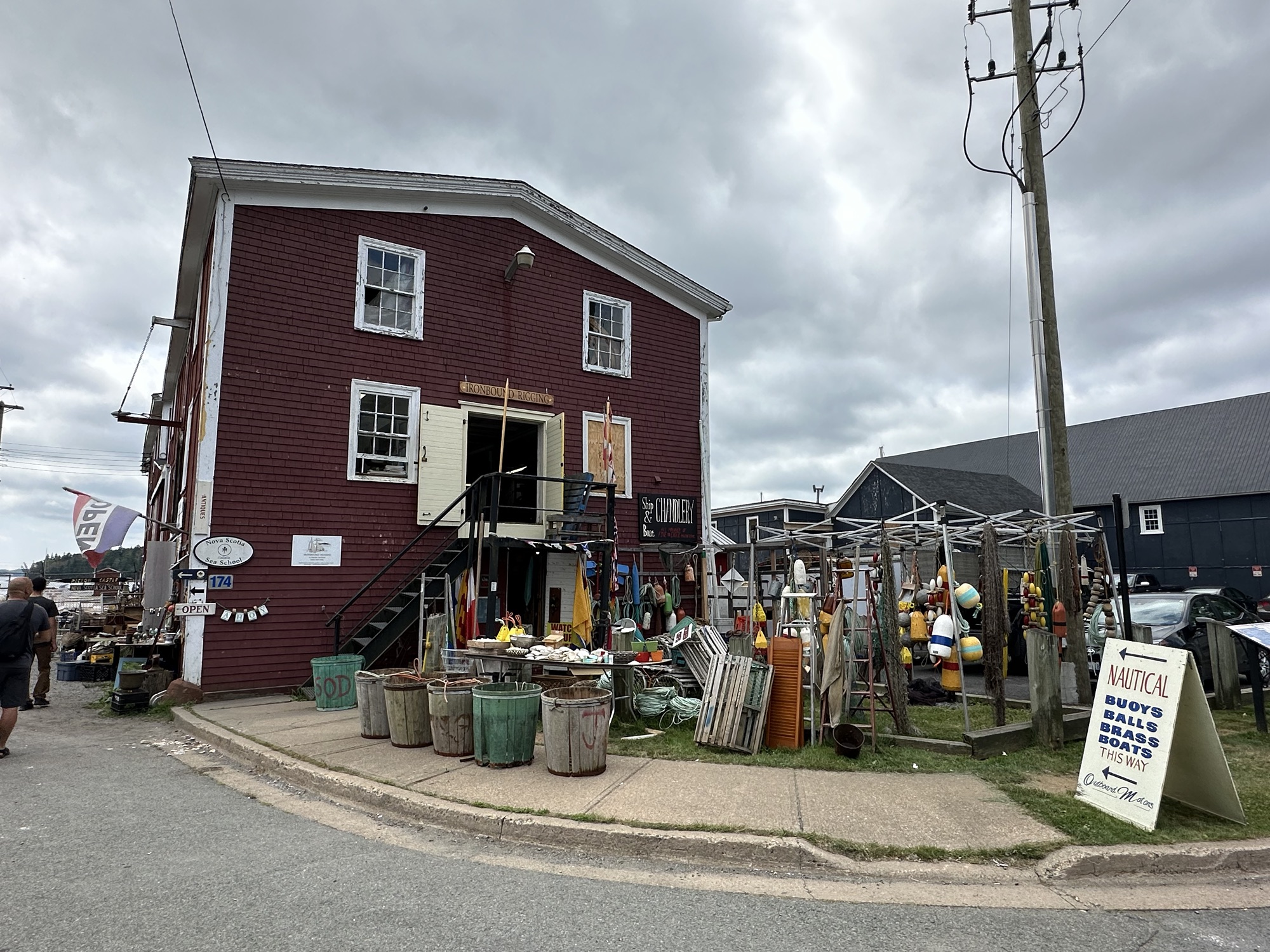
Lunenburg, the Smith & Rhuland shipyard home of the first ‘Bluenose’, is naturally a tourist hot spot with numerous coaches spilling out their catch of the day. A small place, it is a great example of the evolution of a boat building and fishing community. Still very much a working harbour it has some colourful, architectural gems from its prosperous late 1800’s. Unesco considers it the best example of British Colonial settlements in the North Americas. It was founded in 1753 when the Brits tried to settle Protestants in Nova Scotia and it has retained its original layout and appearance, just lovely. There’s also plenty of raised glasses to its renowned ‘Rum Runner’ days during prohibition.




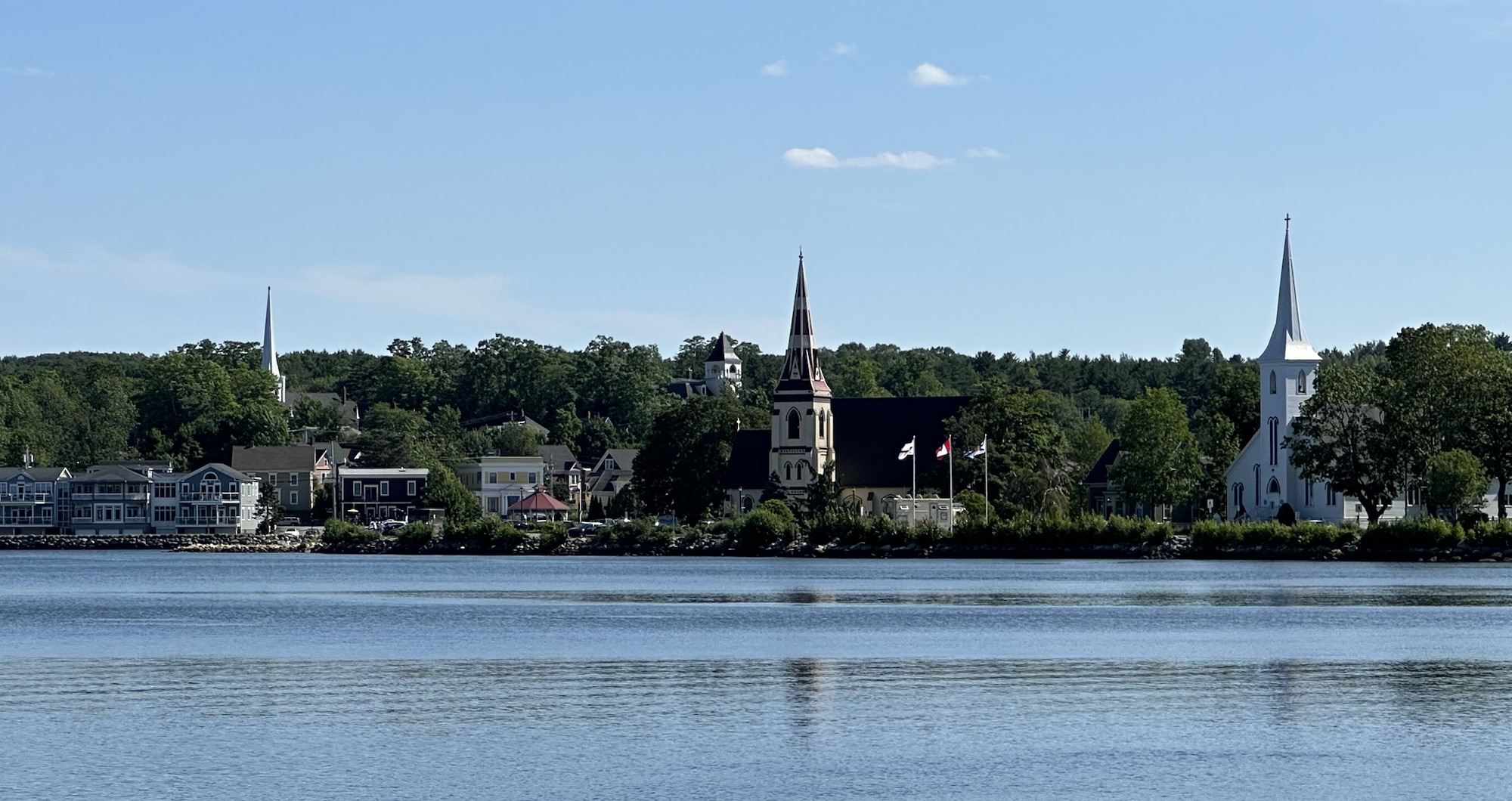
Further west is Mahone Bay, a great spot at the mouth of an estuary. The maritime weather stopped us in our bike tracks a bit but we still explored. A long ride along a Rail Trail through woodland and past tiny lakes, we were surprised by how quiet it was. After crashing a wedding again we meandered along the shoreline admiring the three churches it’s known for, with their ornate architecture and a German ‘Overlander’ blocking the sun. We never see them getting down and dirty in mud or sand! A quiet place, it was calmly watching the kingfishers diving for their supper before we went for ours that was such pleasure. The 18km cycle ride back after pizza was slower than earlier.


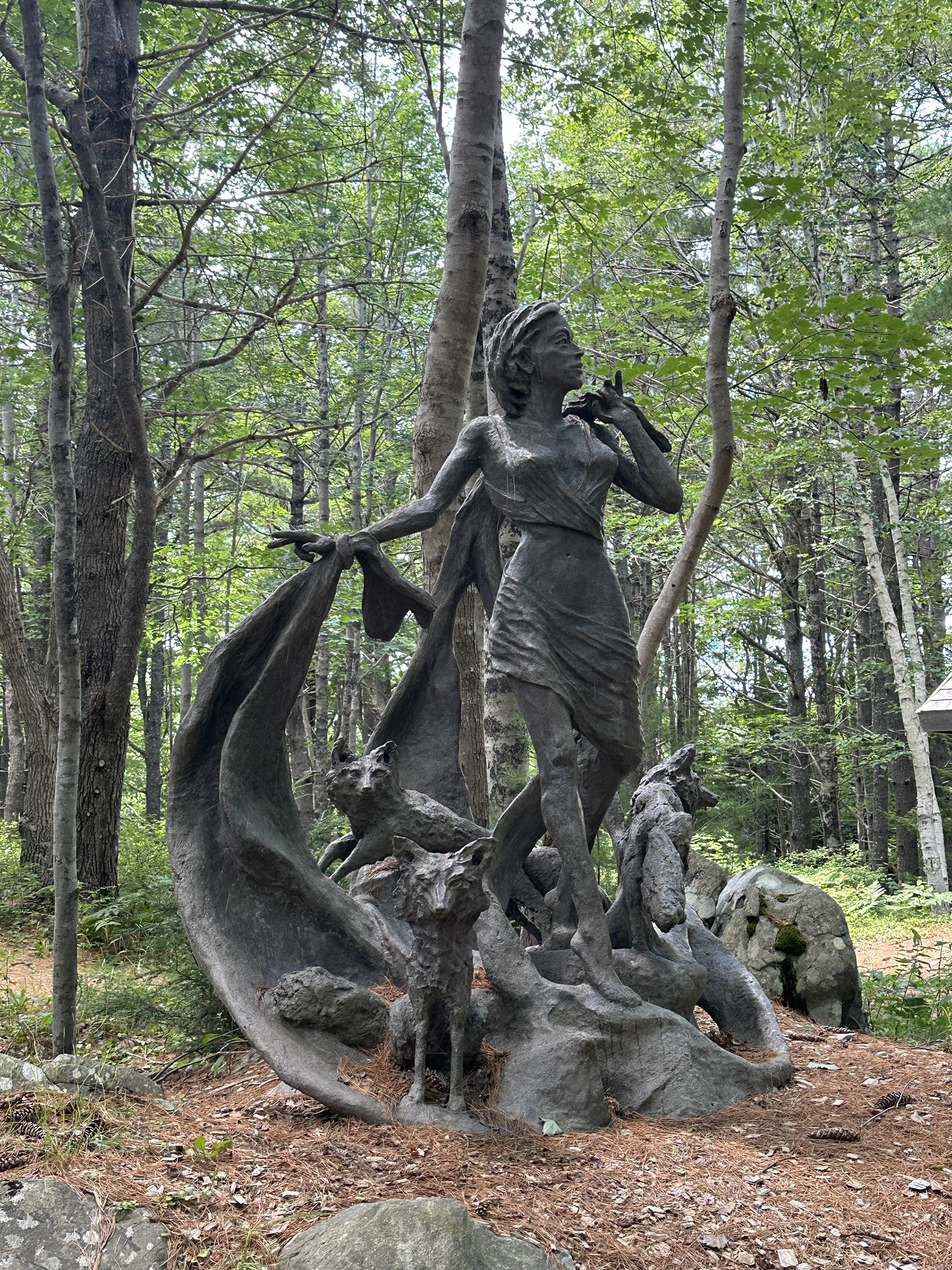
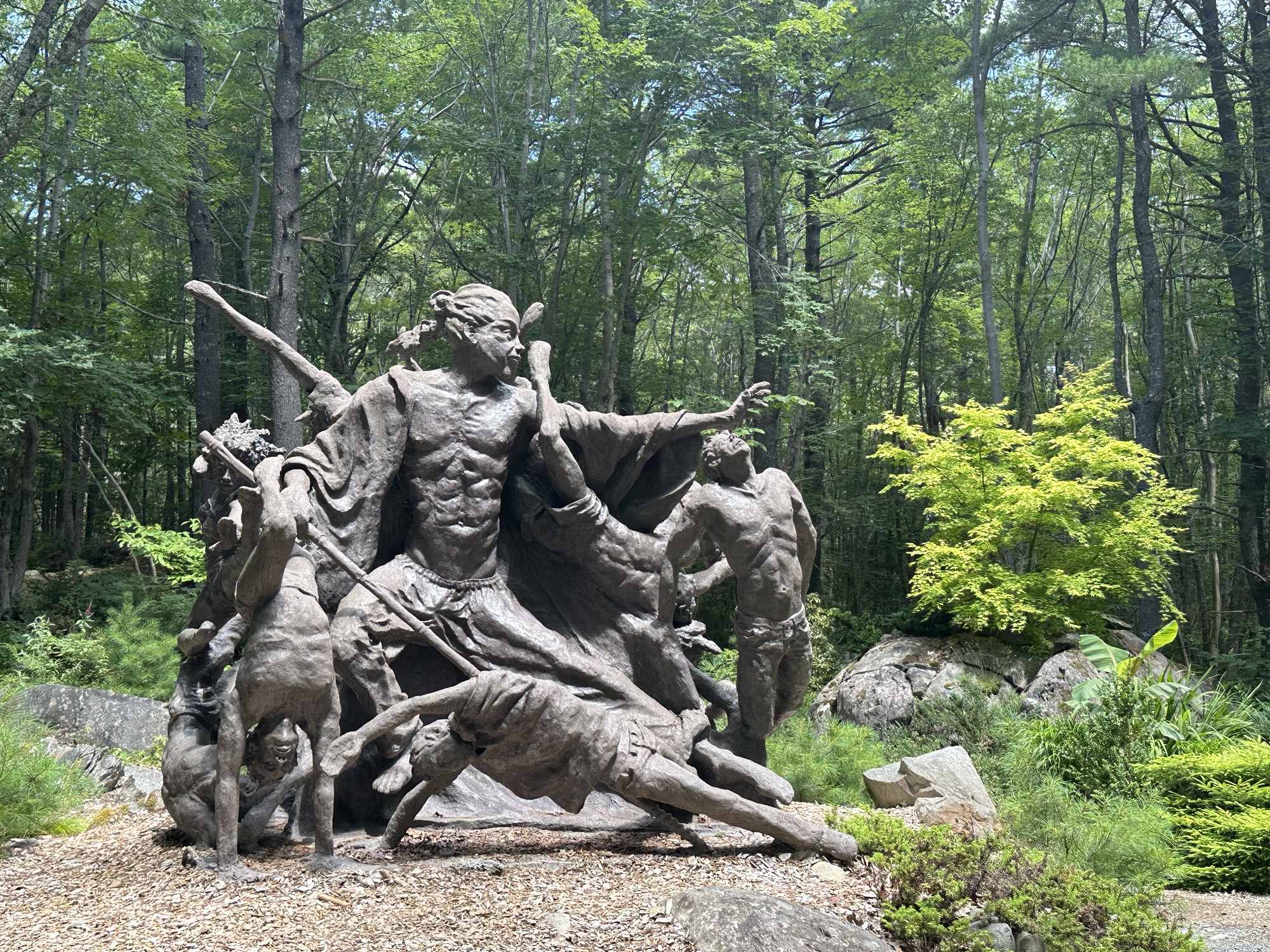
Further down the coast, not far from Liverpool is Cosby’s Garden Centre (not Crosby Garden centre for those in the know!) Why are we there you ask, plants? No, a concrete sculpture park like no other, ‘Concrete Creations’. Set within woodland among mature pines there’s a vast array of sculptures by Ivan Higgins, creator extraordinaire. The detail is superb and he’s clearly studied anatomy and form as he goes about his work. Its free (donations are ideal!) to see his eye catching musings and imagination brought to life. What can be done with chicken wire and ready mix eh? No wonder he made the front page!






We popped into Liverpool, it’s a tad smaller than the real deal. It tickled my northern humour that it’s in the county of Queens when so many scousers affectionately call their mam, Queenie 🙂 Anyhow, its a quiet harbour town with a serious history of battles, much like Liverpool v Everton…. From there we headed from The South Shore of NS to The North Shore and Digby, a quaint seaside town, famous for its scallops. Exploring on the bikes, Digby has a colourful harbour, a lovely spot to just watch the goings on. Old Digby Lighthouse is back in town, after spending time away on other sea defences and is set proud at Admiral Walk and Loyalist Park.
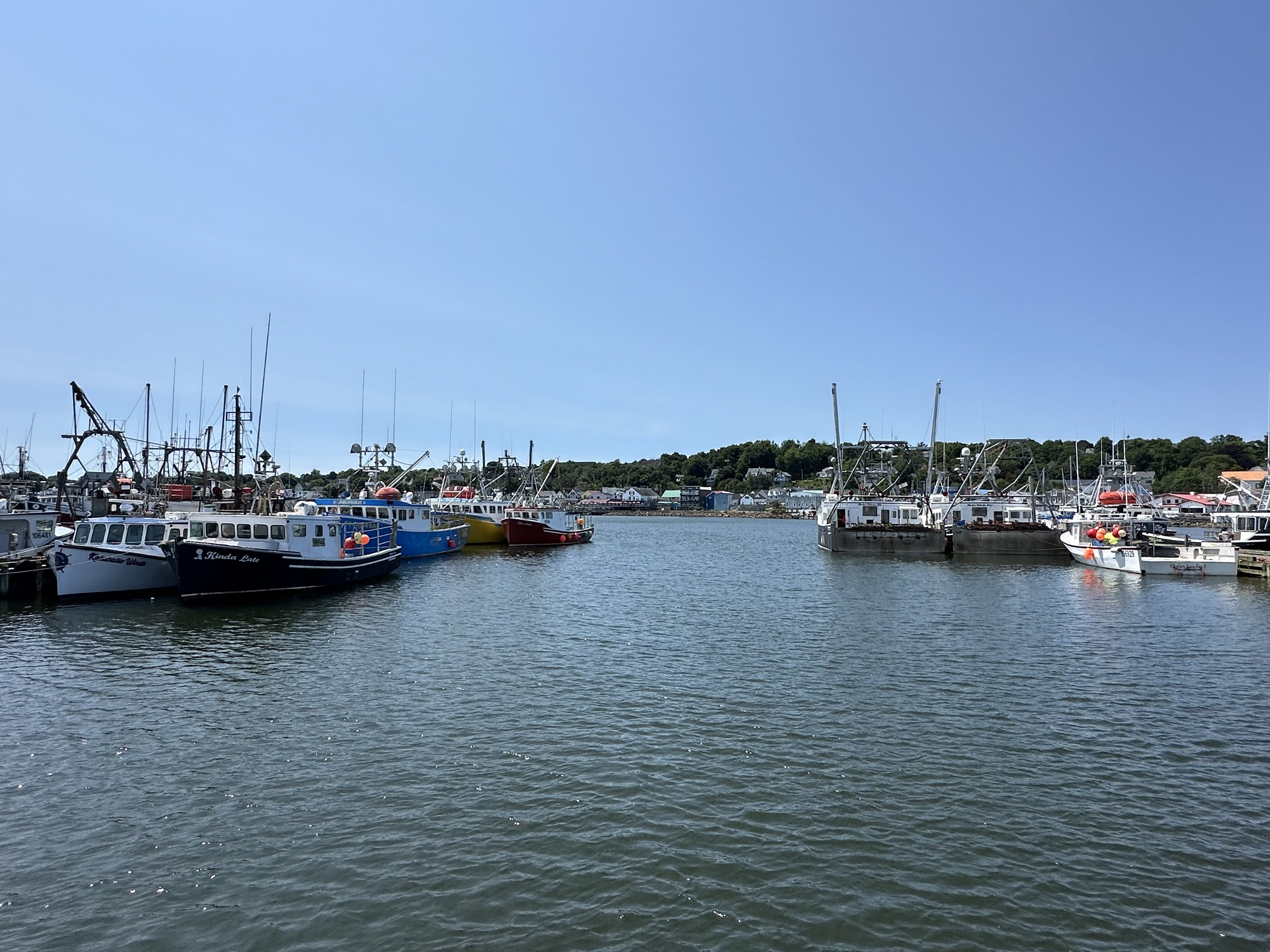


The towns namesake, Admiral Robert Digby brought 1200 Empire Loyalist settlers to Digby in 1783. This large influx of refugees from New England after the American Revolution, referred to as United Empire Loyalists were people who fought or sided with the British. The population and culture dramatically changed from that of the residing Mi’Kmaq and Acadian peoples, a theme throughout this whole area of Canada. From the town, we cycled to Point Prim with its underwhelming 1960’s lighthouse but the views were fabulous across the Bay of Fundy and the mouth of Digby Harbour where we watched the St John- Digby Ferry emerge from the mist horizon.


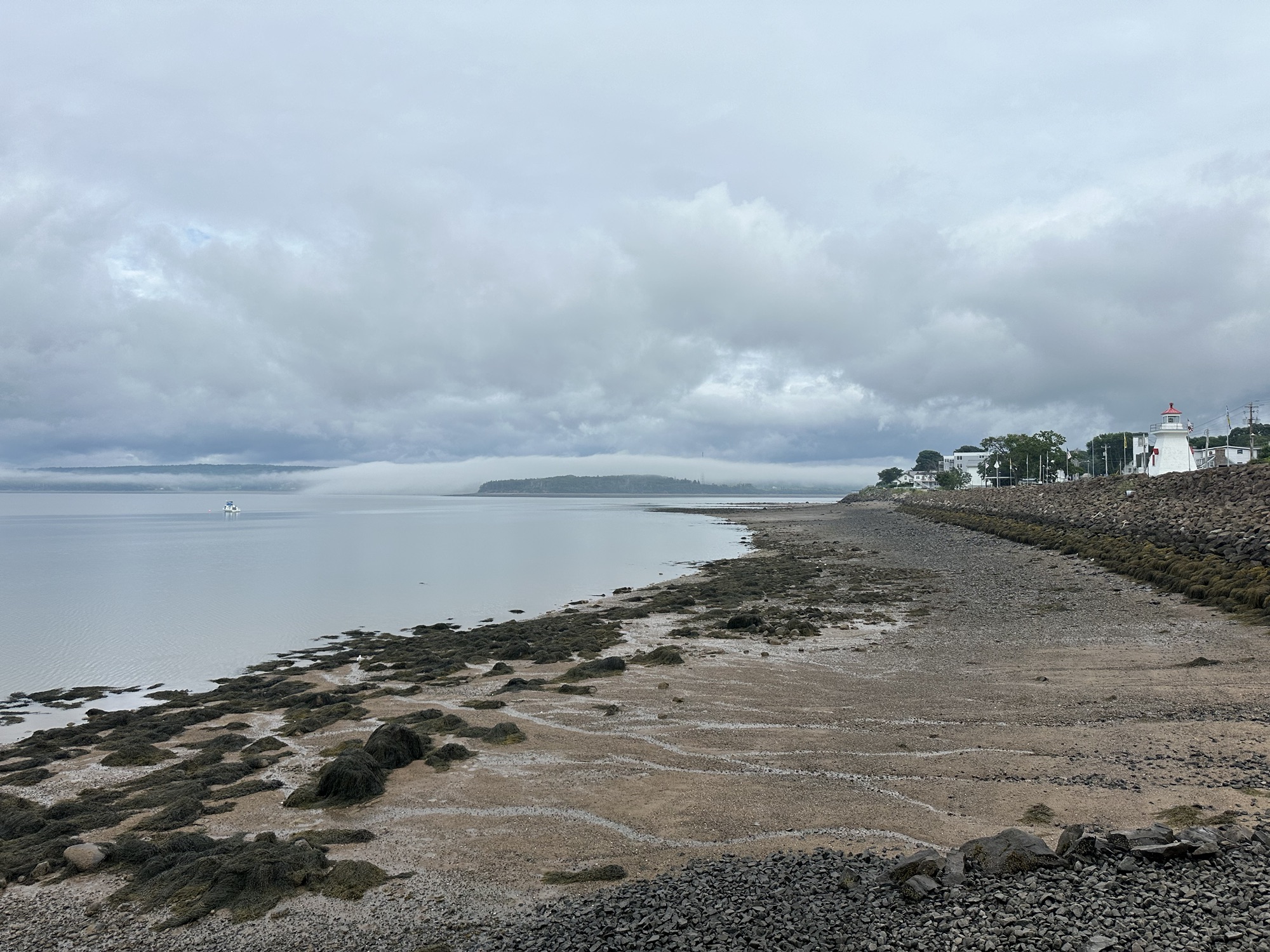
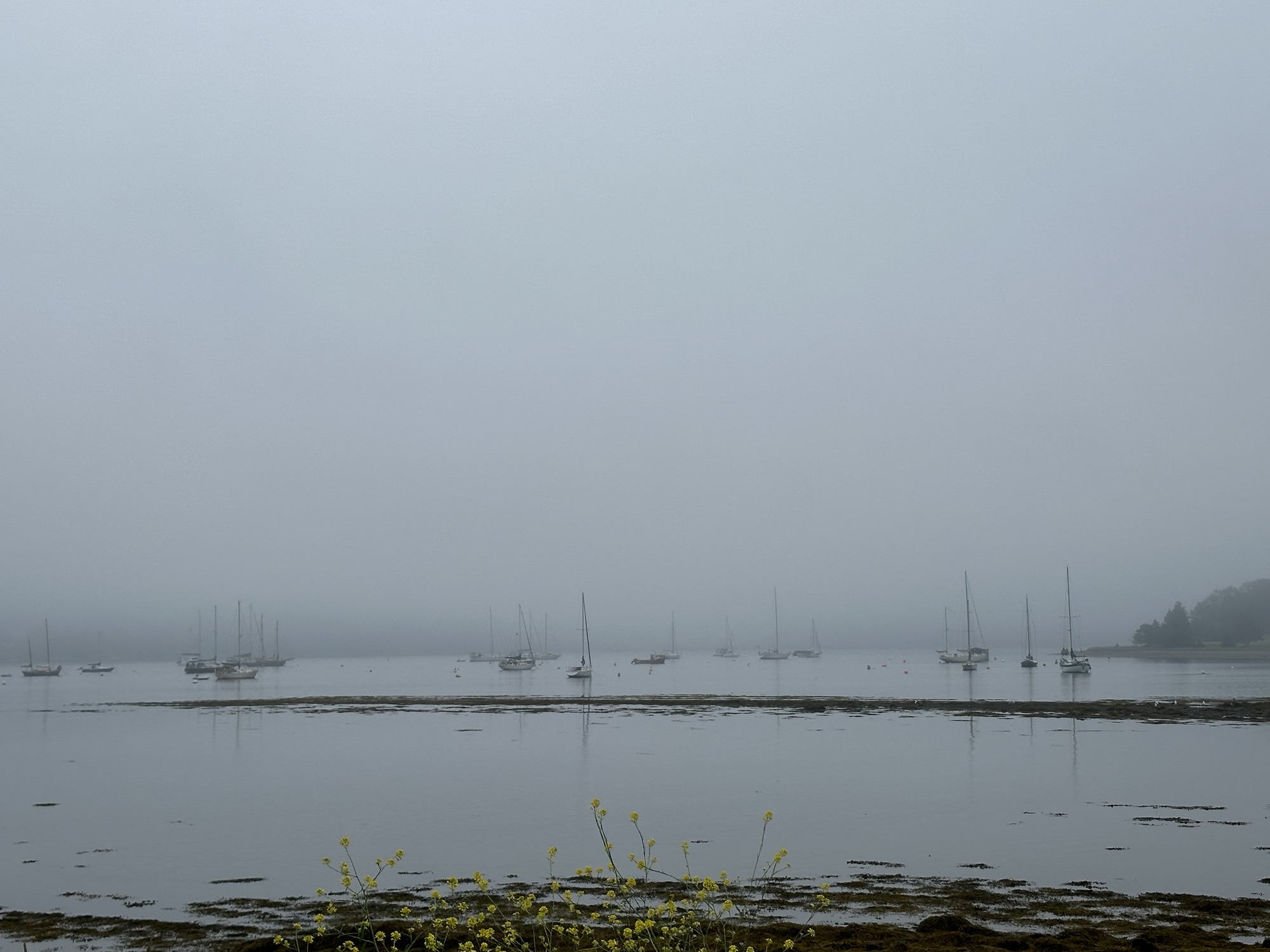
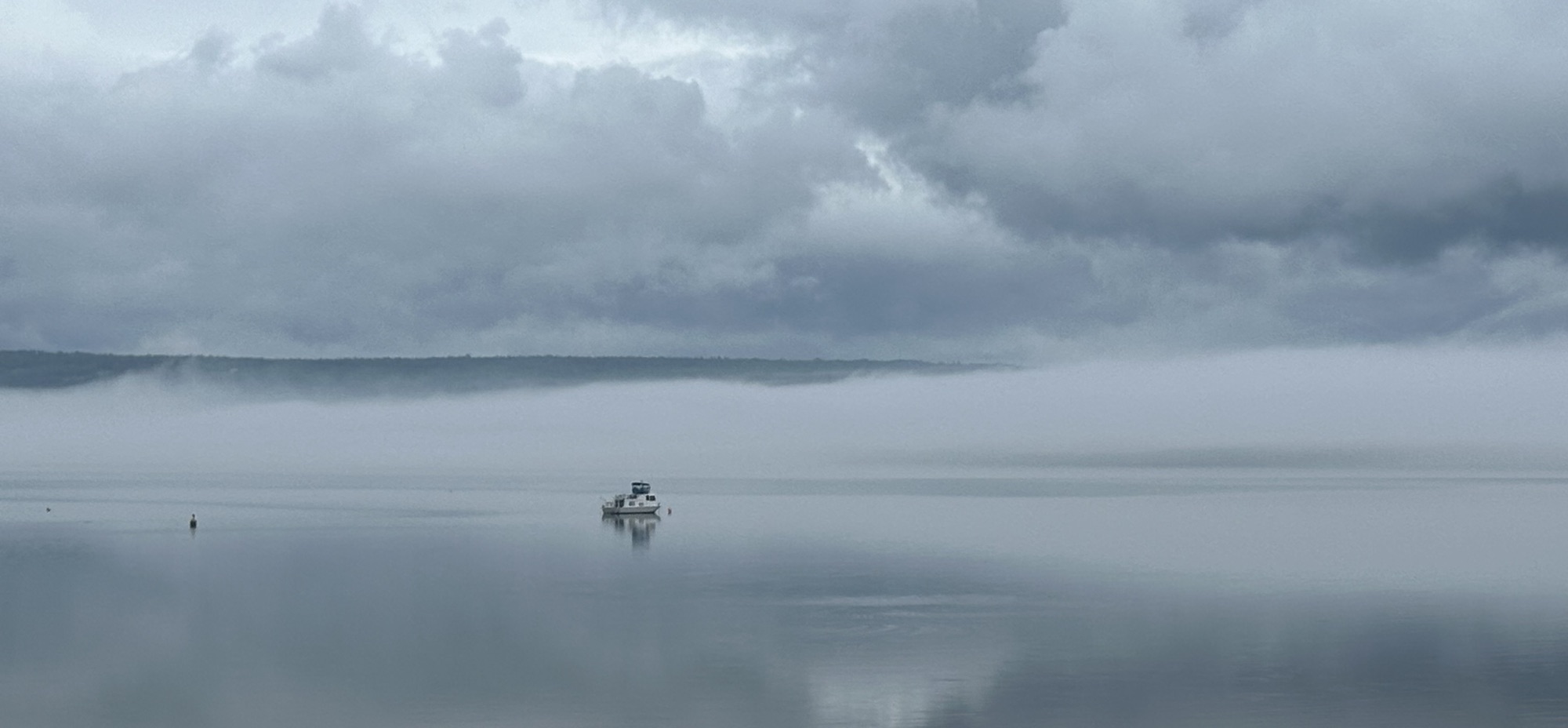
At times the Maritimes weather hasn’t been kind to us. A spell of torrential downpours followed by a pea souper meant our whale watching was uneventful but thankfully, we have a raincheck so can return. It is magical however watching sea frets roll in and out and the dramatic effect of bad weather can make for a half decent photo. The calm waters afterwards, reflecting the colourful boats and buoys in the waters was really beautiful and this has to be one of our favourite harbours, for the fact there’s no private cruisers spoiling it.
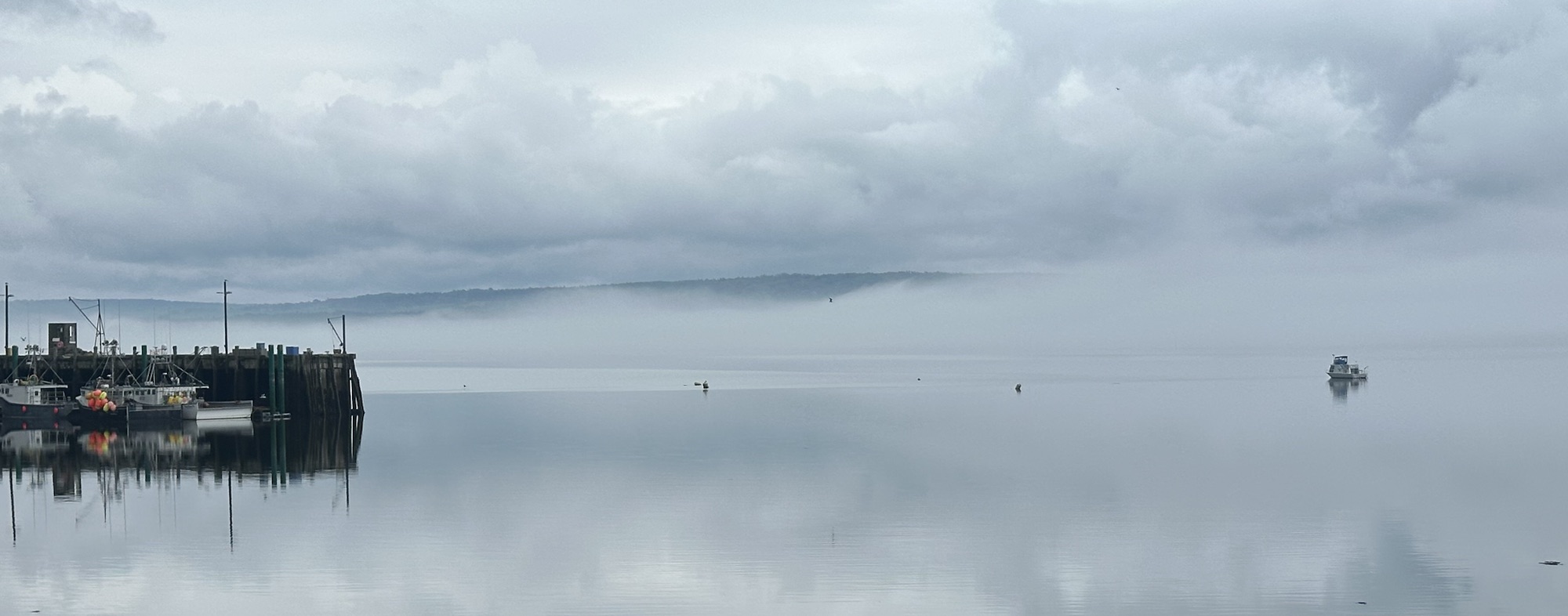
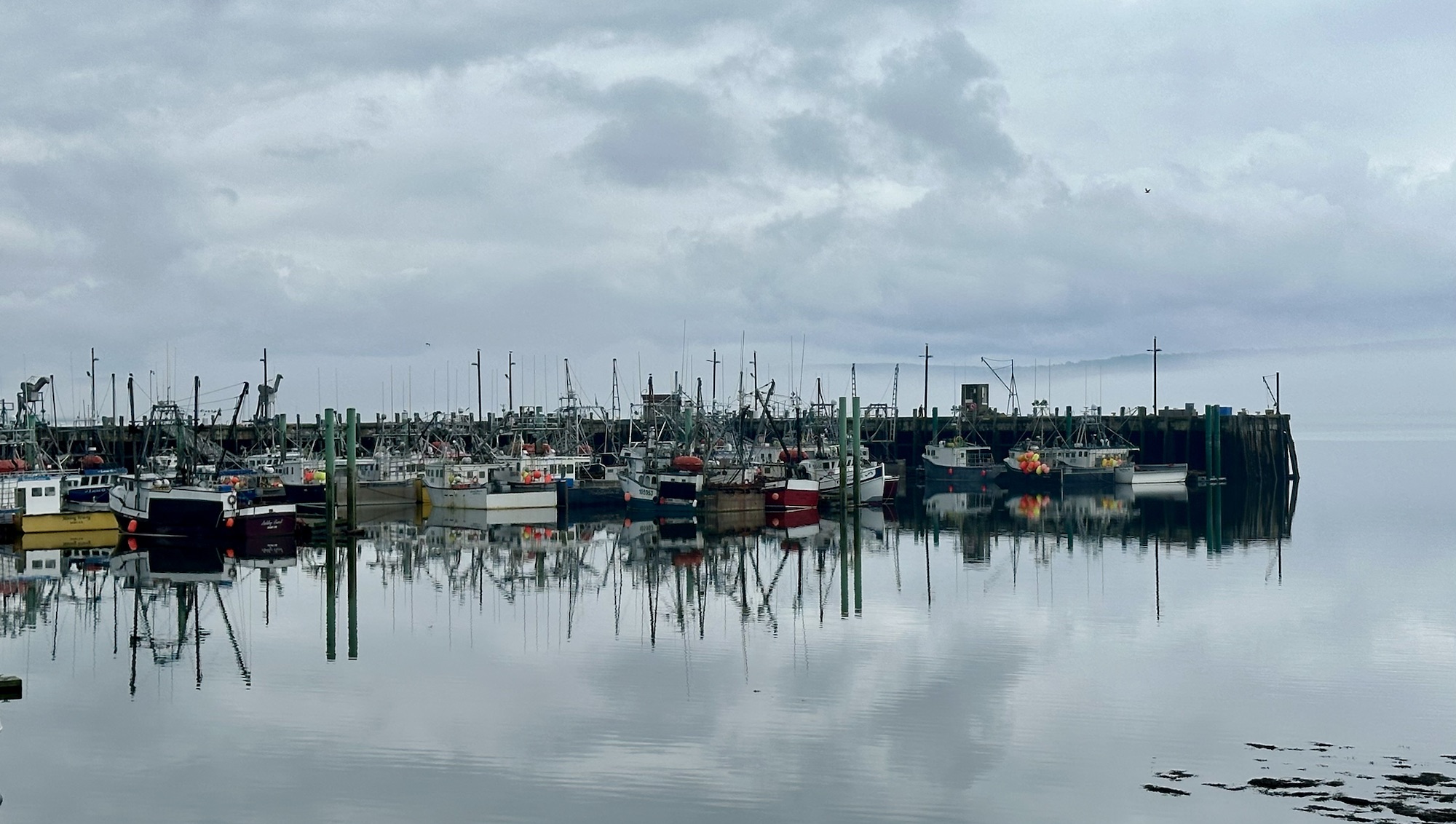
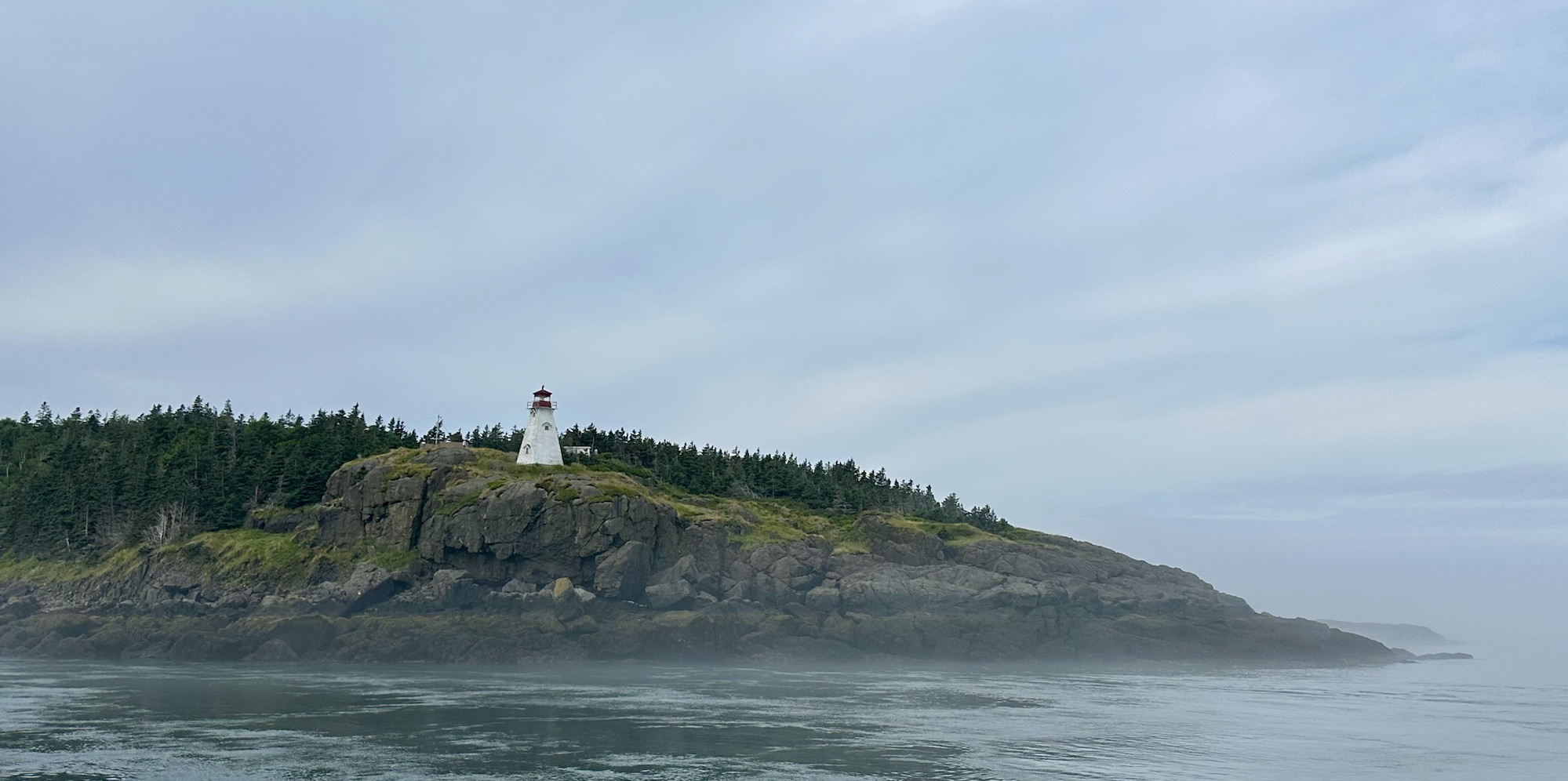
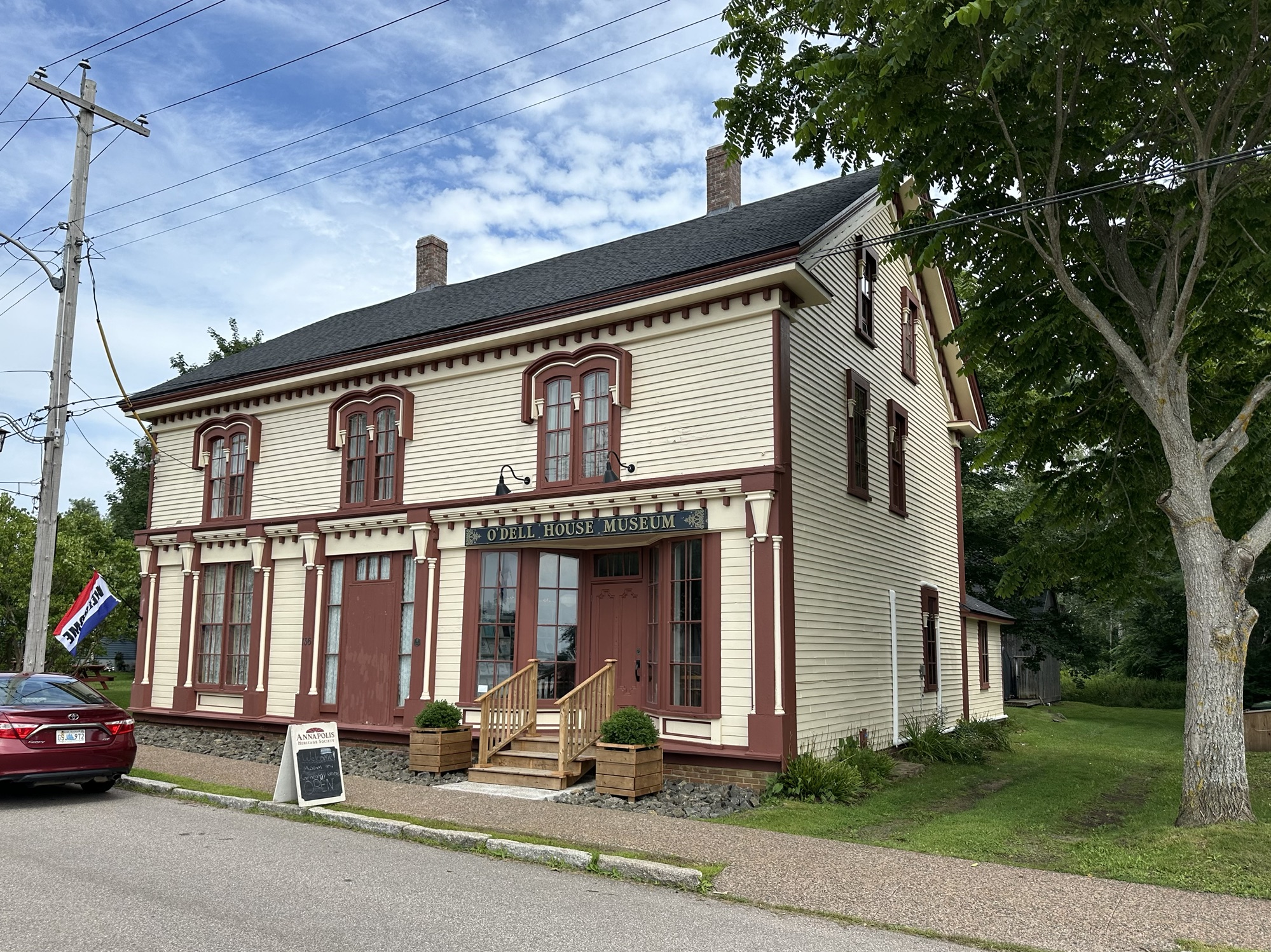
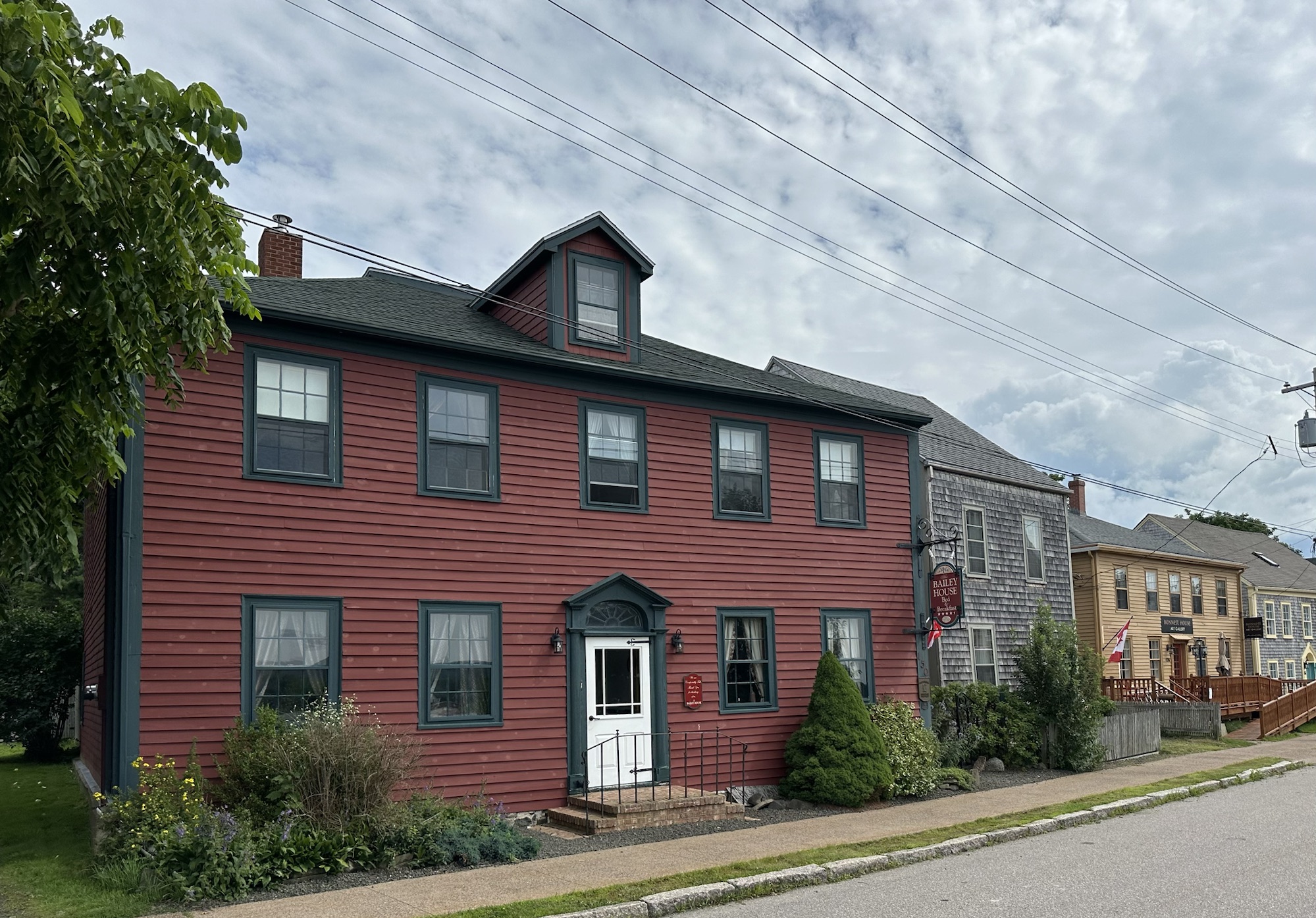
Further East from Digby on The North Shore is Annapolis Royal. Its an attractive, colourful, old settler community on the coast with fabulous architecture. As the oldest settlement north of Saint Augustine (Fl) which is the oldest in the Americas, the bones of this town have stories to tell. The Bailey House for example, built by Scotsman John Easson in 1770 survived numerous conflicts before he sold it to Elizabeth Baily in 1837, a widow who ran it as an ‘aristocratic’ boarding house. Her husband died after a dual. Mrs Baily was noted for her moose muffle soup, yuk! Fab buildings, there’s a reason it’s a National Historic District.



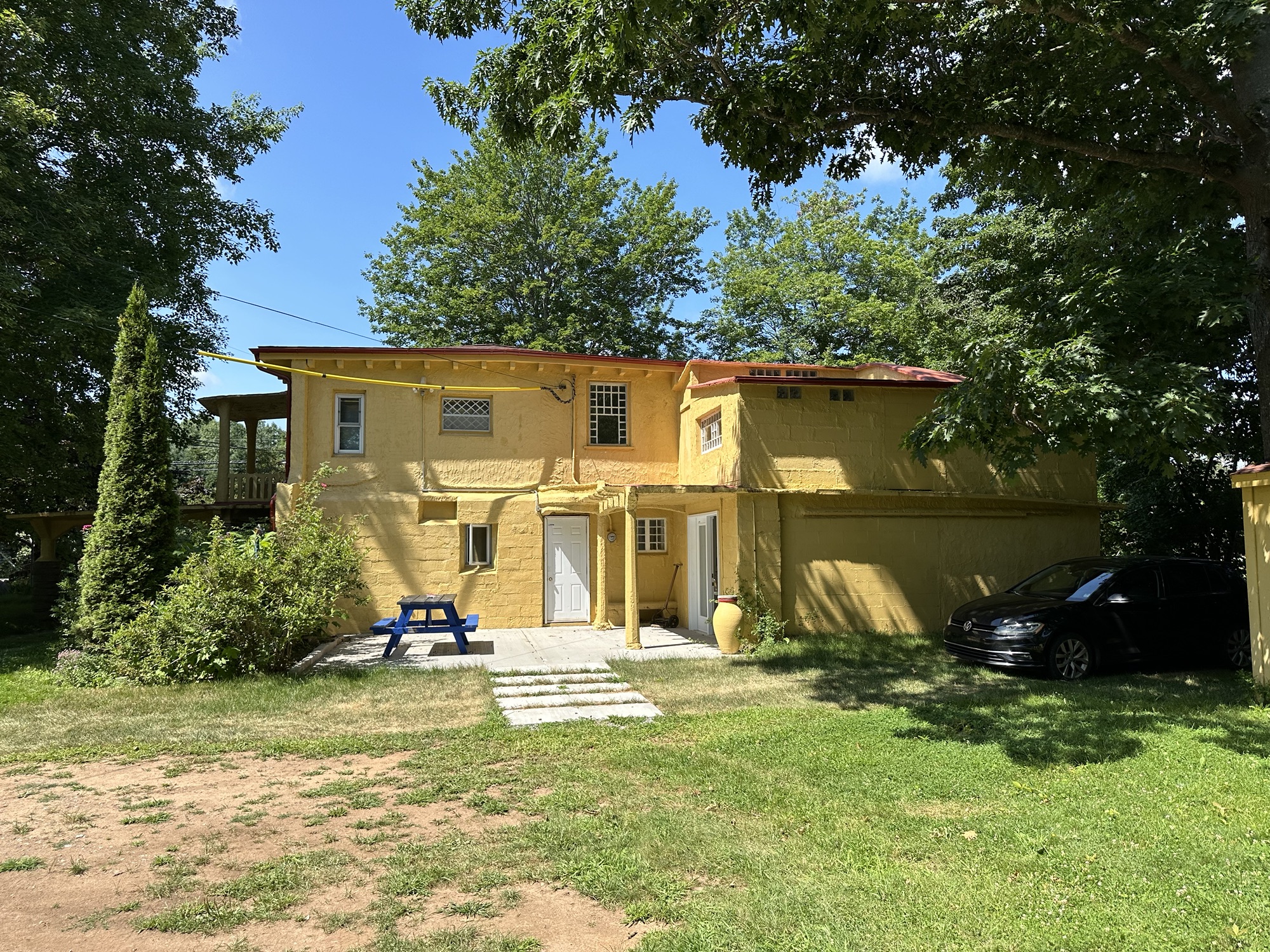
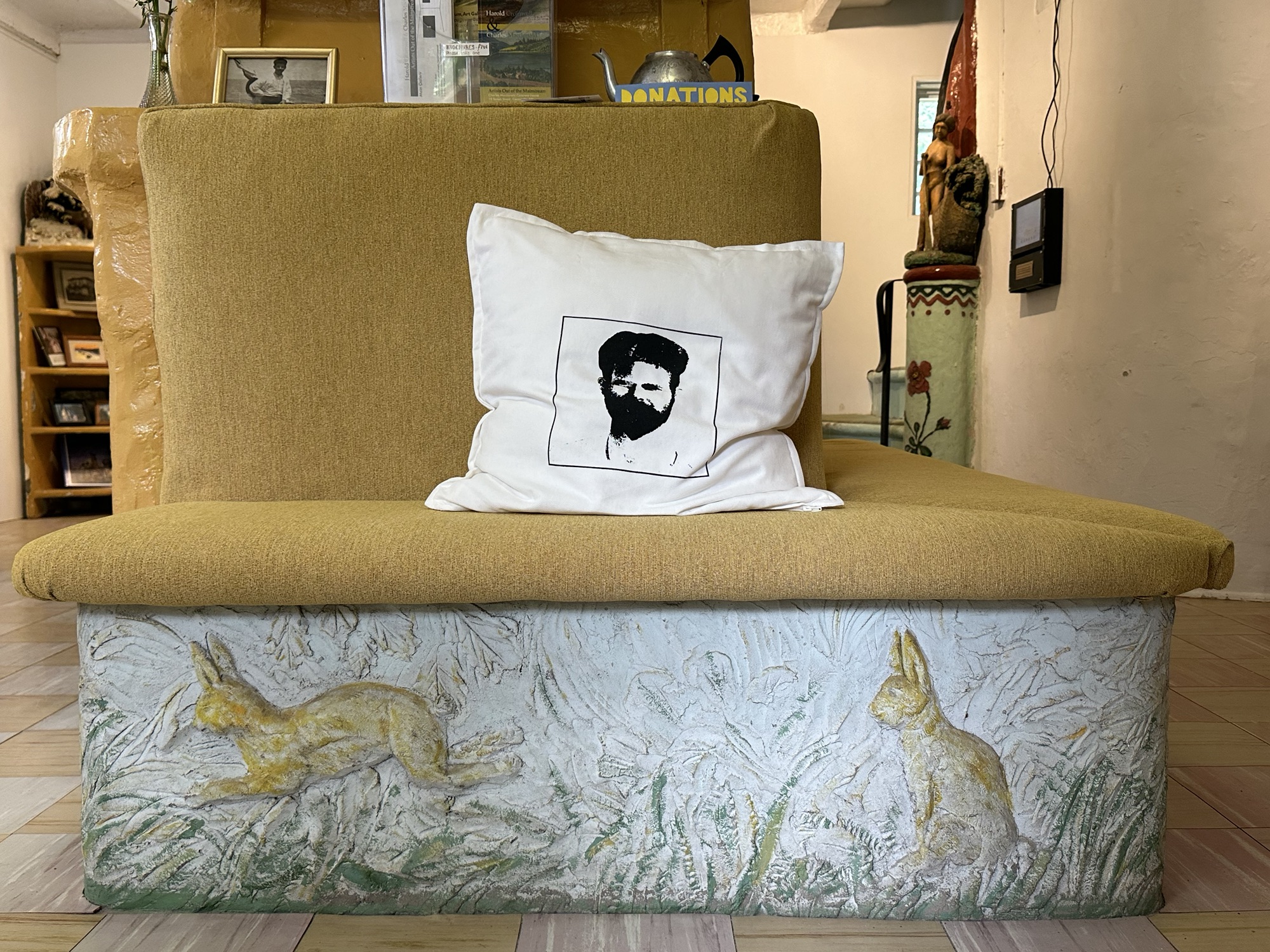
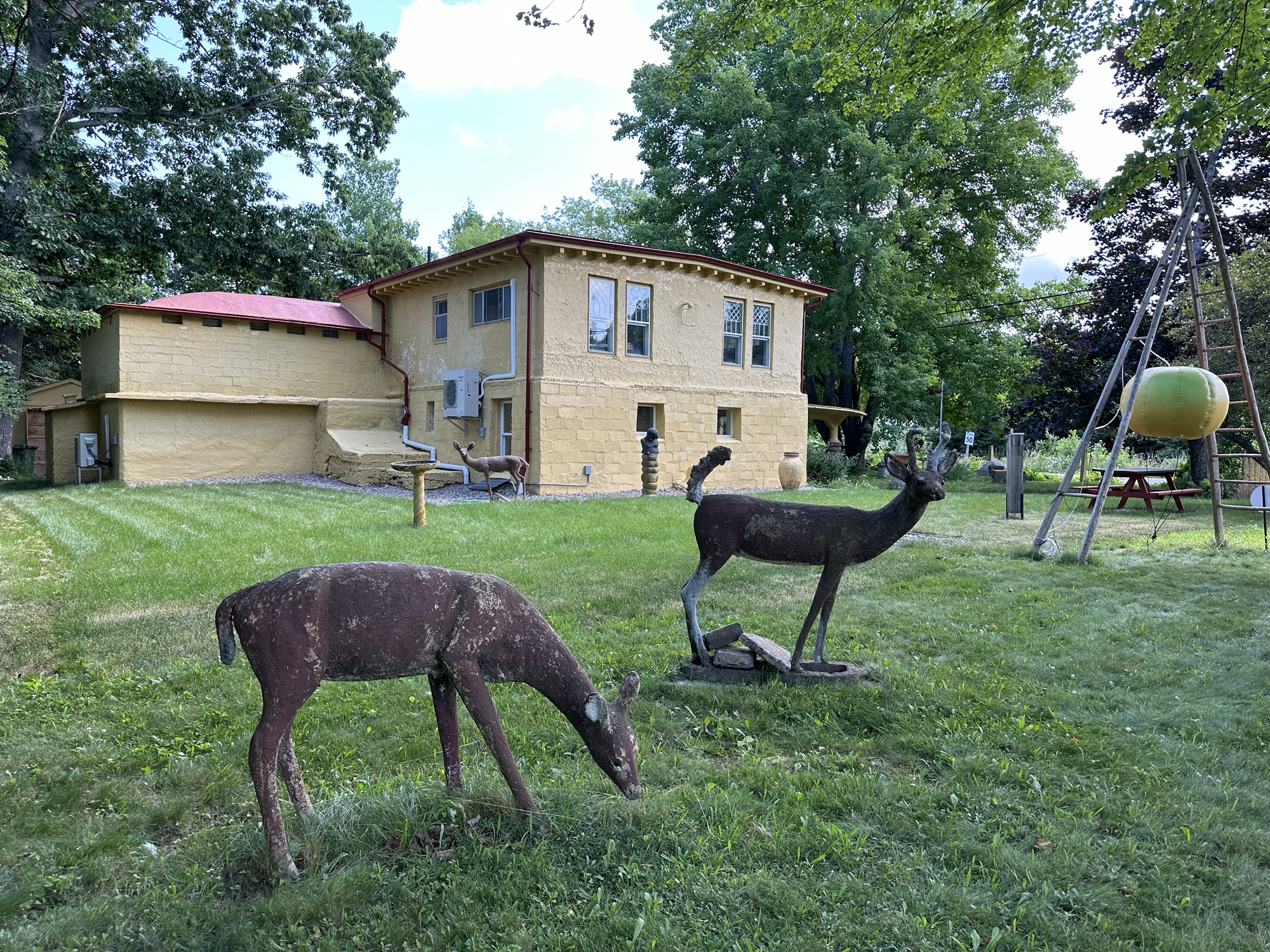
We don’t have a thing for Ready Mix but we did find Charles Macdonald’s Concrete House, in the gorgeous Annapolis Valley, where literally everything is built from said product, from the building, to the garden sculptures. A communist at heart it’s not brutal at all although built in the 1930’s they’re having to upgrade it a bit due to damp etc. It was a fun visit made great by the two young student volunteers there with whom we chatted for an age, and who taught us rug hooking … a quote by one of them has stuck with me…. “You can’t be content if you are always looking forward”.



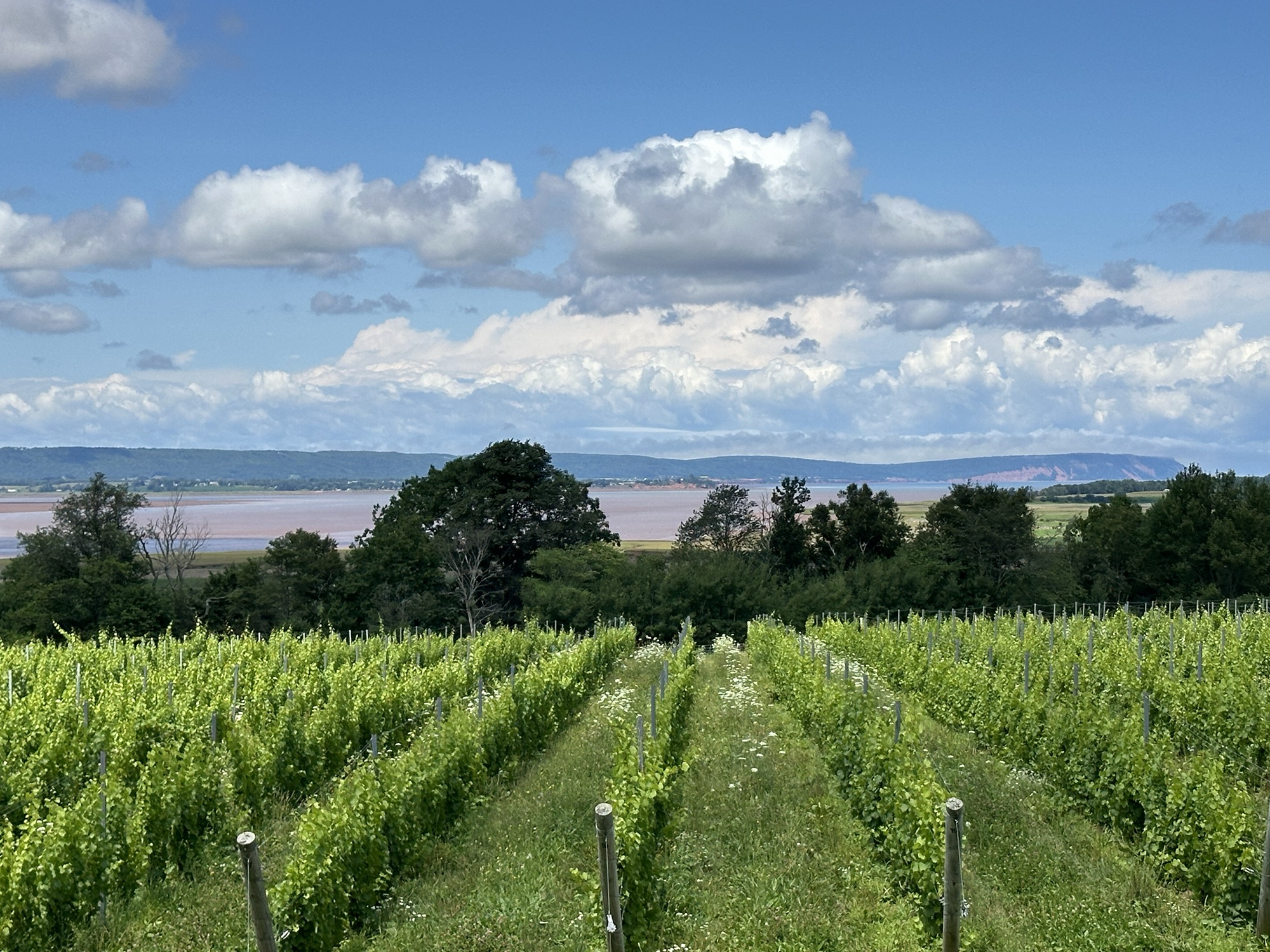
The North Shore is very different to The South Shore, there’s mixed arable farming, gentle rolling countryside with small clusters of trees adding interest and contrast. In the distance, the red rock and mud of the Fundy Bay area and it’s tidal waters. Being as sheltered as it is with rich soils, it’s the wine growing area of NS. There are vineyards everywhere around Wolfville and naturally we had to stop and explore. Oh, and taste too! A late afternoon stroll through Wolfville, we met a British couple from my home town, the world is indeed small…. roll on Peter Kay, Manchester, November 2024 🙂


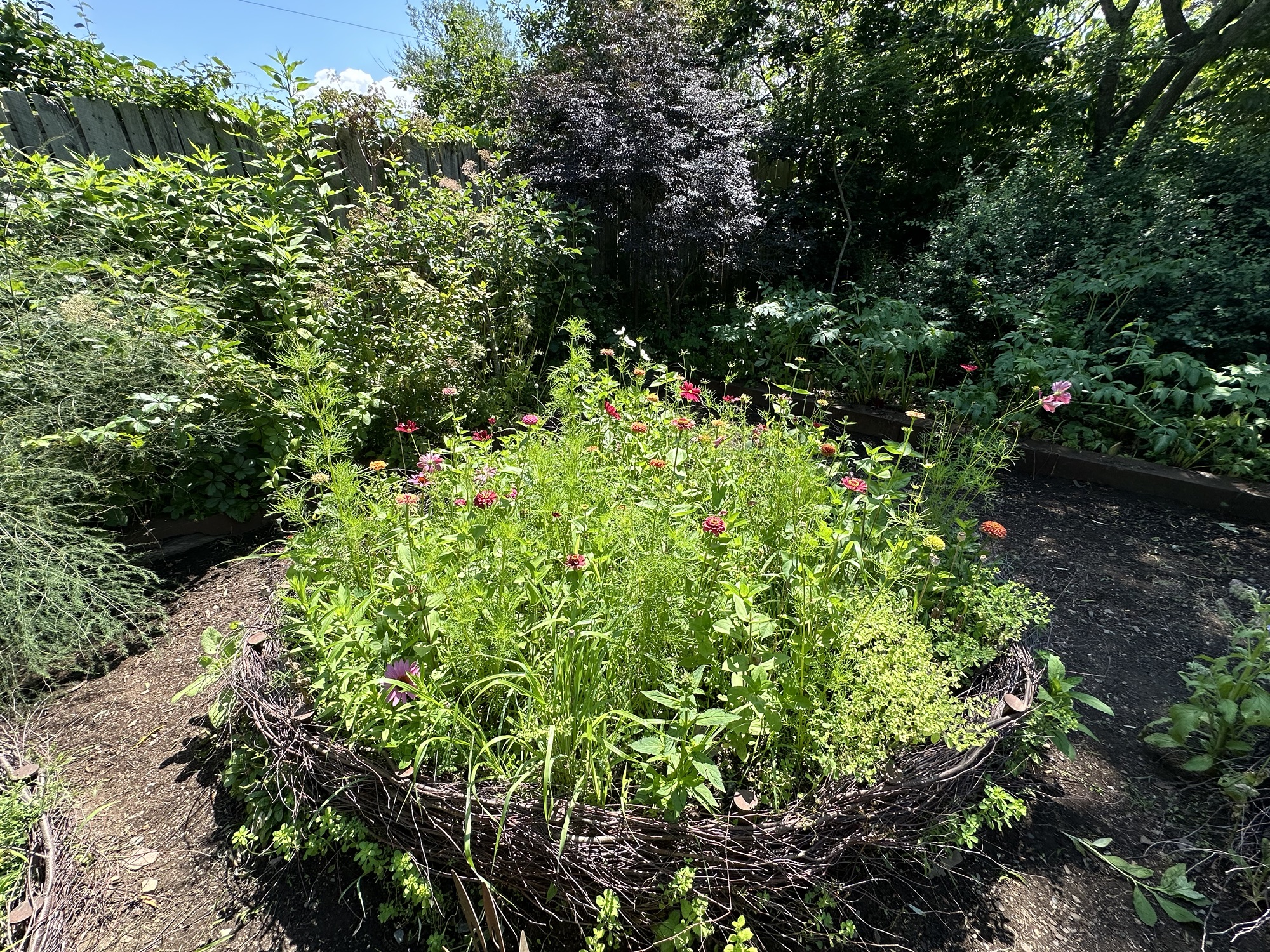
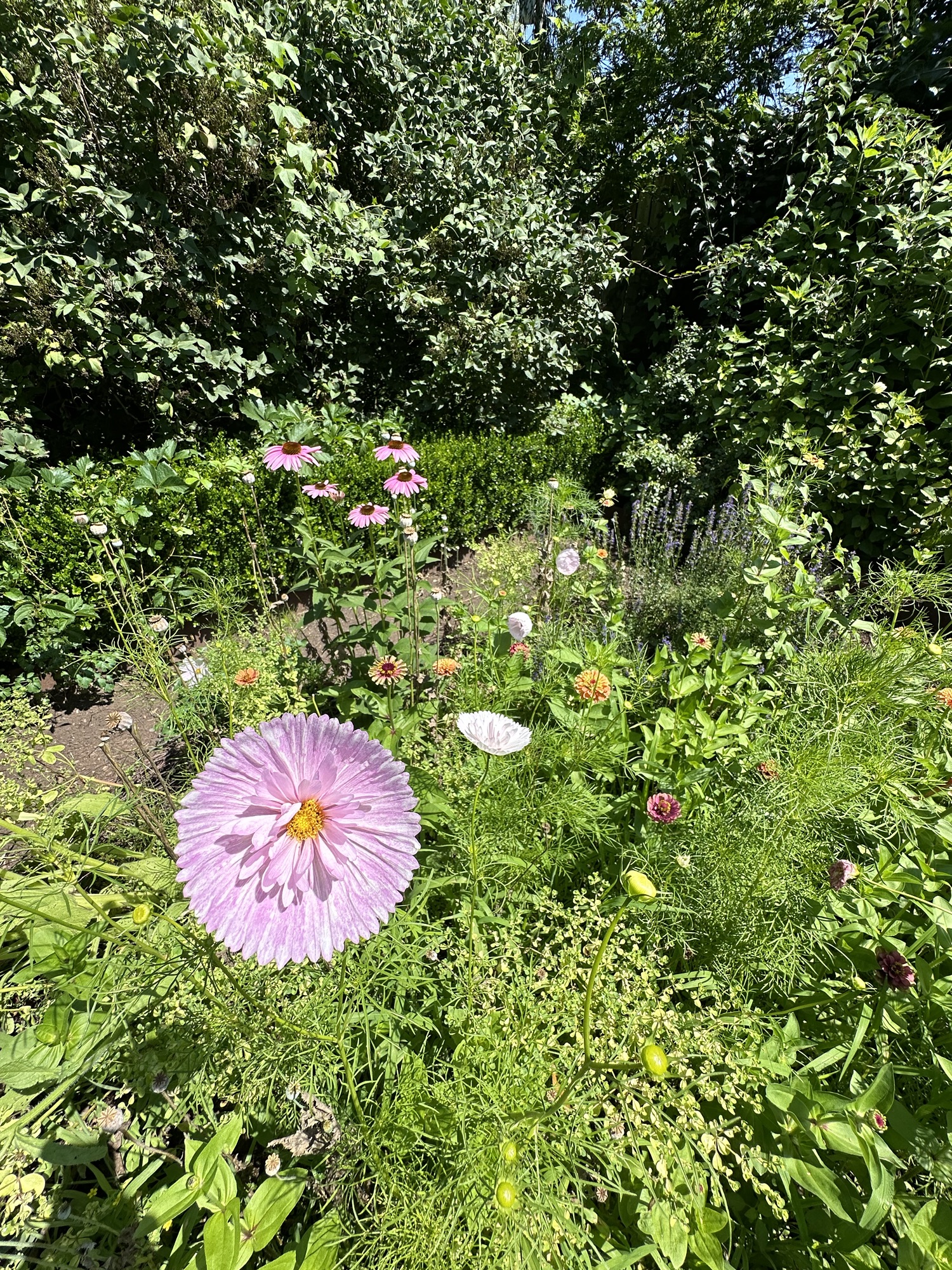
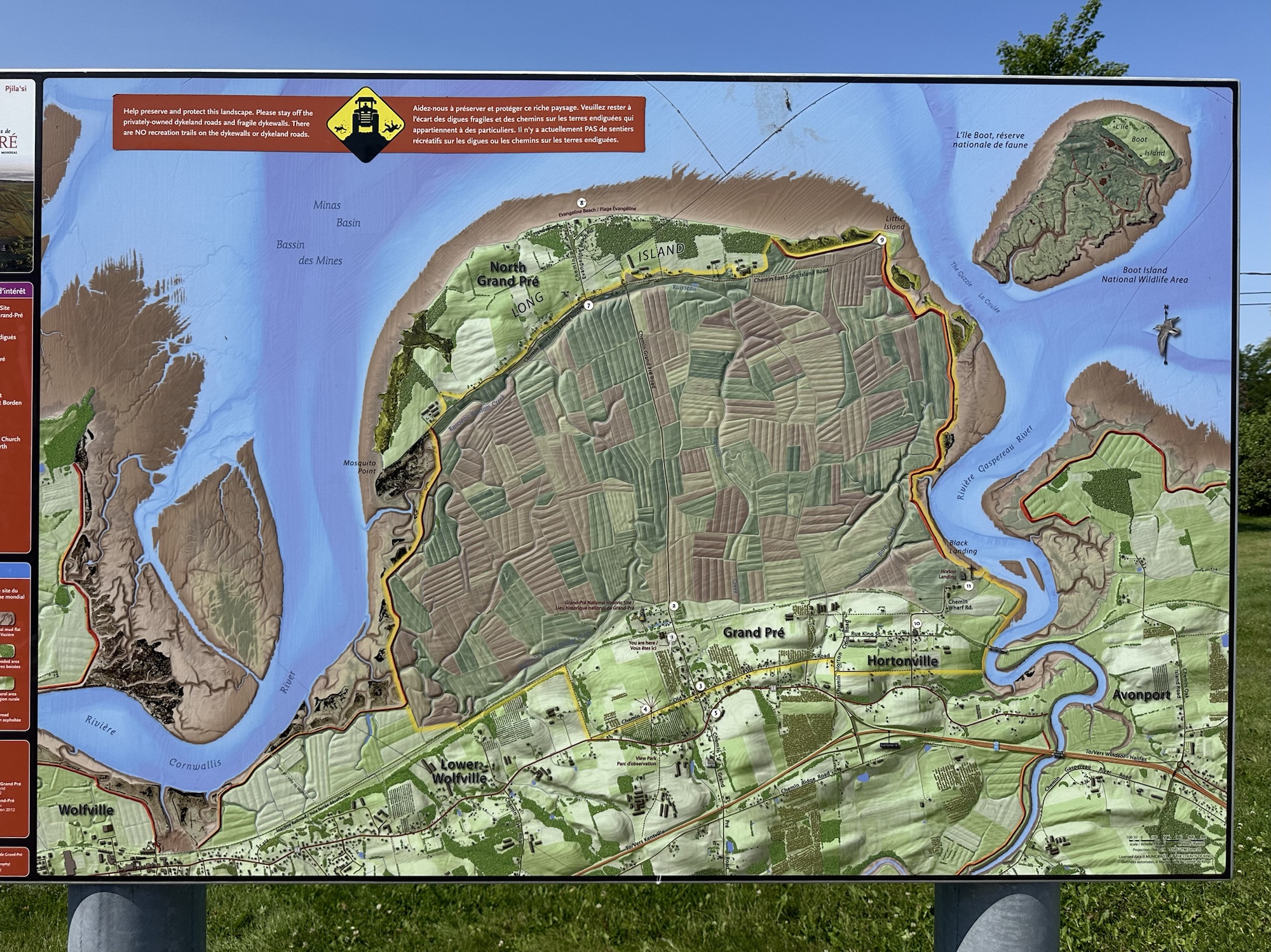
In the Grand Pré area is the most wonderful Tangled Garden. Its on The Evangeline Trail and it’s full of interest to any gardener. Designed as garden rooms off a winding trail there’s a ton of different features including a 7 circuit labyrinth. Created over 30 years there’s colourful flower beds, lots of wildlife ponds to inspire us for ours, with croaking frogs on lily pads. A place to stimulate the senses, a truly magical place. Evangeline herself, is an epic poem about an Acadian girl’s search for her lost love Gabriel during the expulsion times and her magic dust is scattered all over this area.



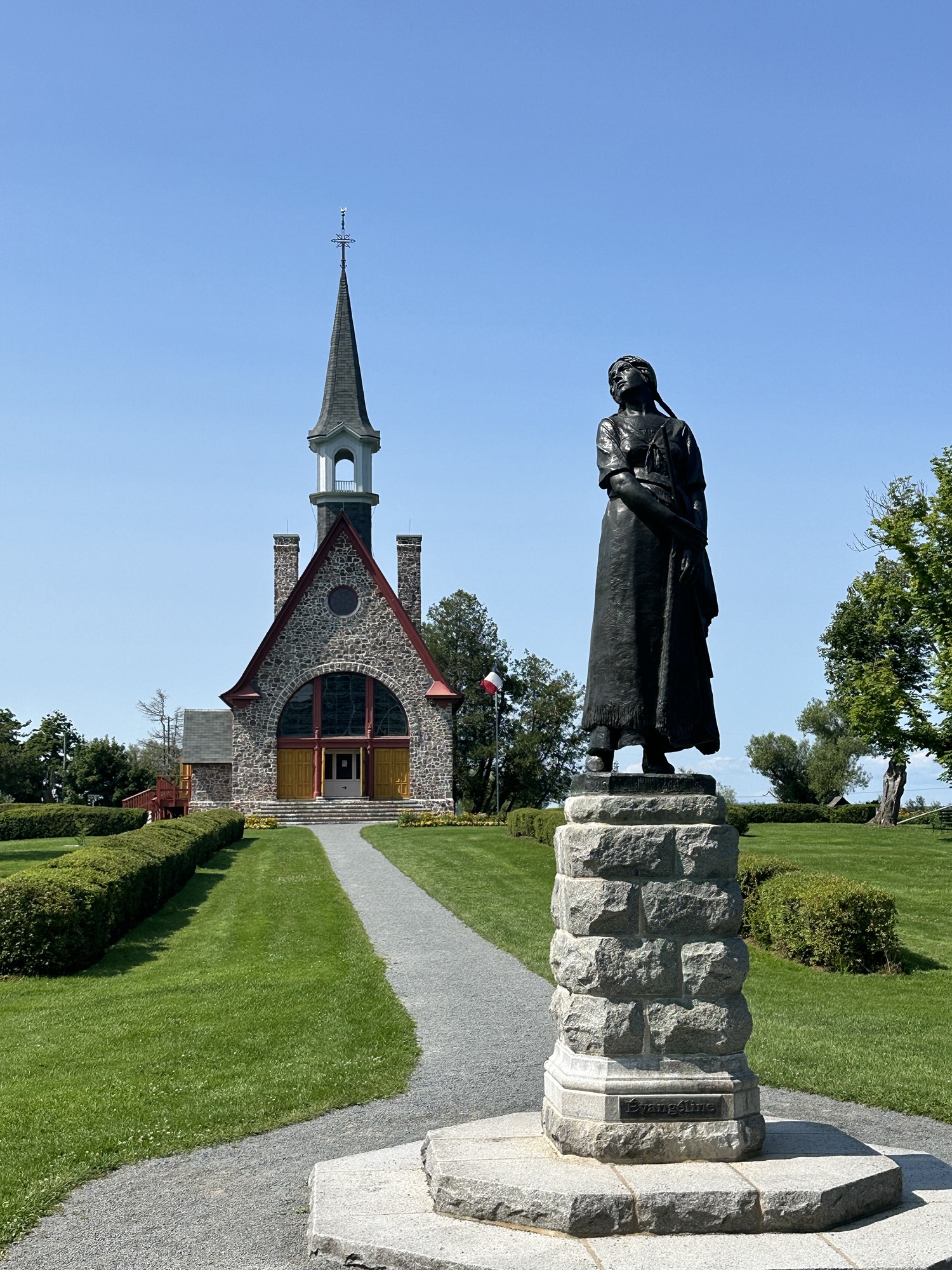
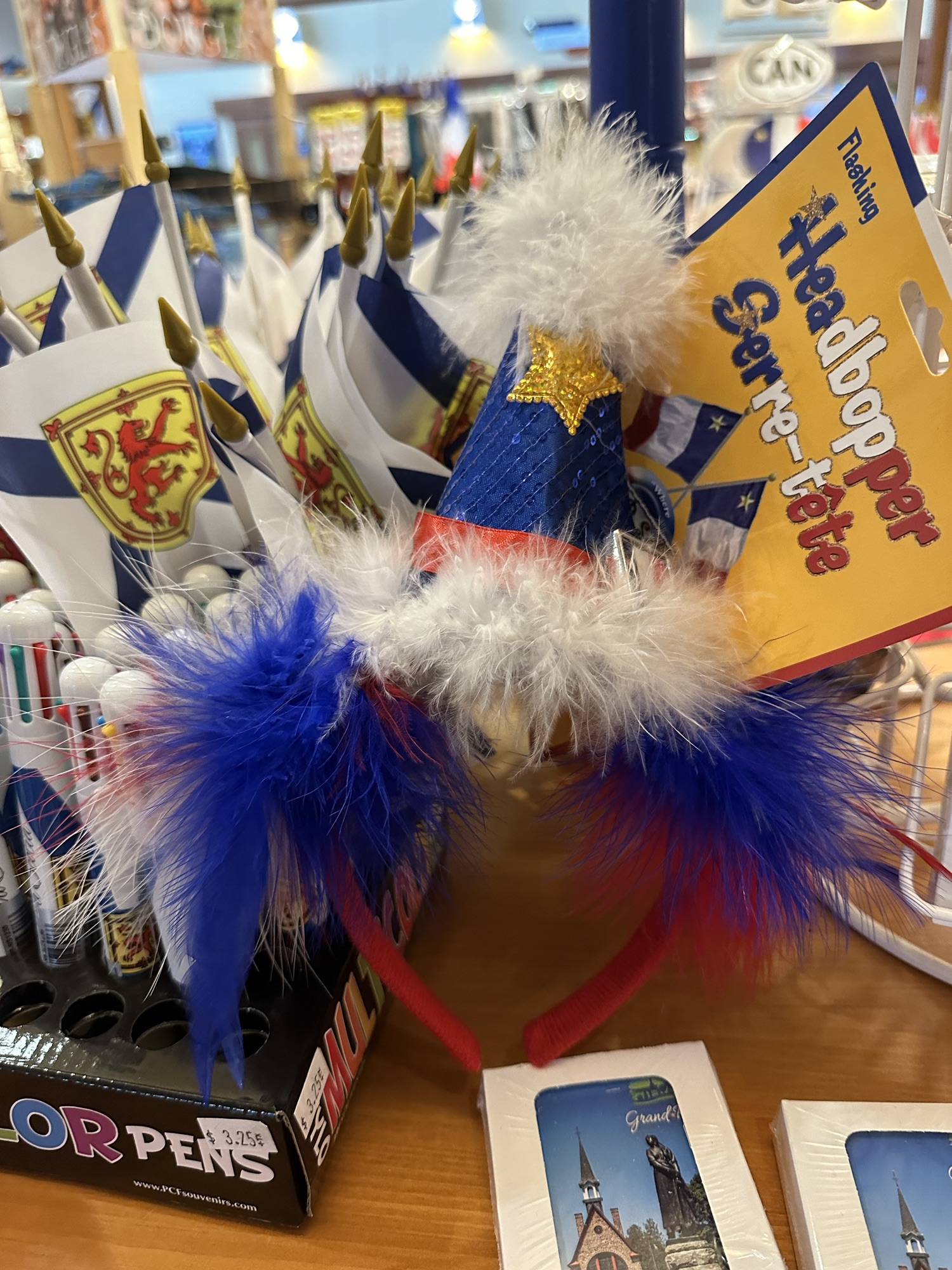
Our final step in this part of Nova Scotia was the superb Grand Pré National Historic Site. It does an excellent job of bringing to life the expulsion period in 1755, driven by the British distrust of the Acadian peoples neutral claims, believing them to have an allegiance with the French. Sad as the Acadian people had worked so hard, reclaiming land, building their communities and prospering with innovation and farming. As is the case in any battle, its shocking how destructive and brutal, man can be. The statue is of Longfellow’s Evangeline and the church was built in 1922 with funds raised by Acadian communities throughout North America. It symbolises Acadian nationalism and commemorates the tragedy of deportation. I don’t really feel that Headboppers fit with the message!
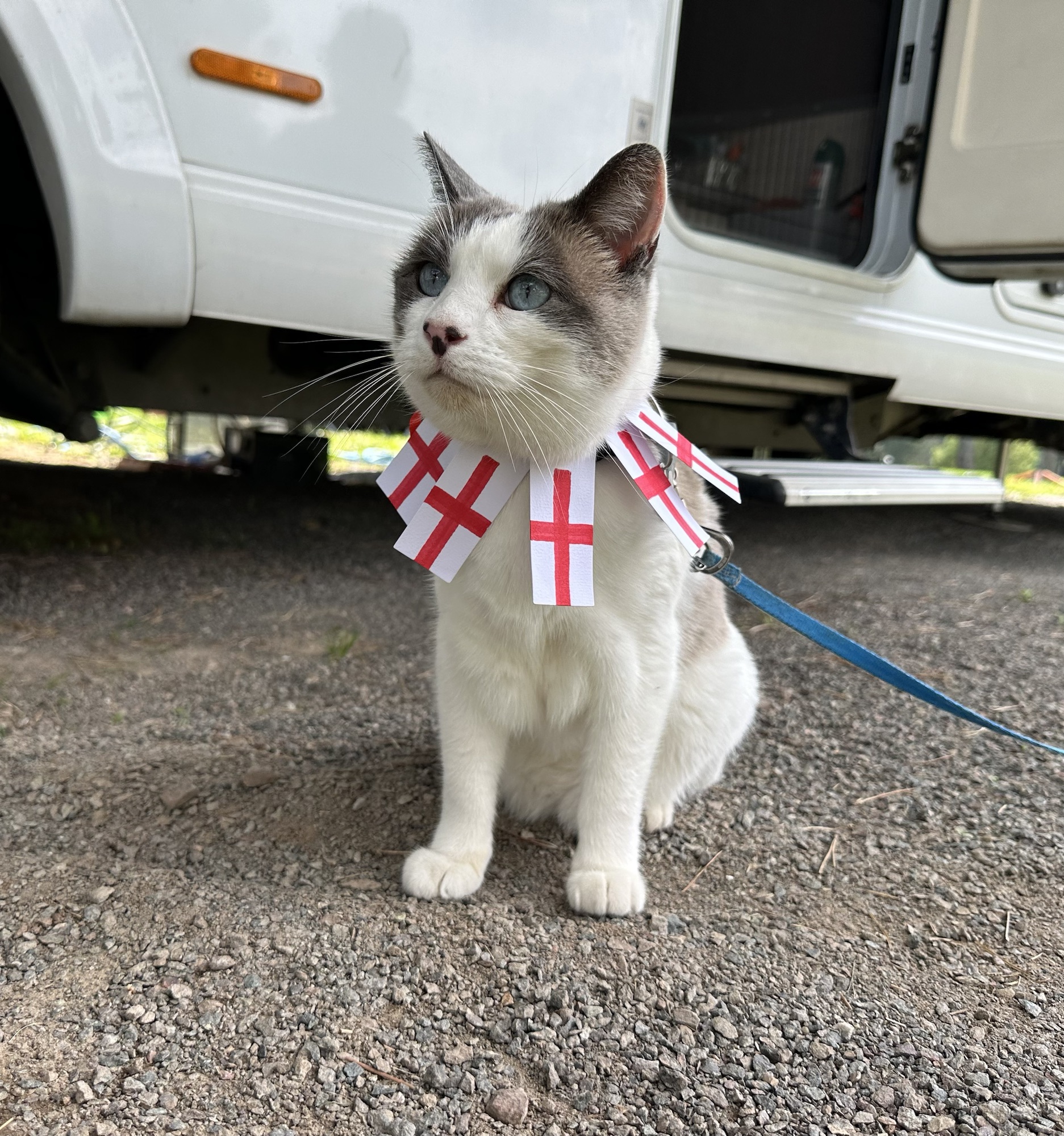
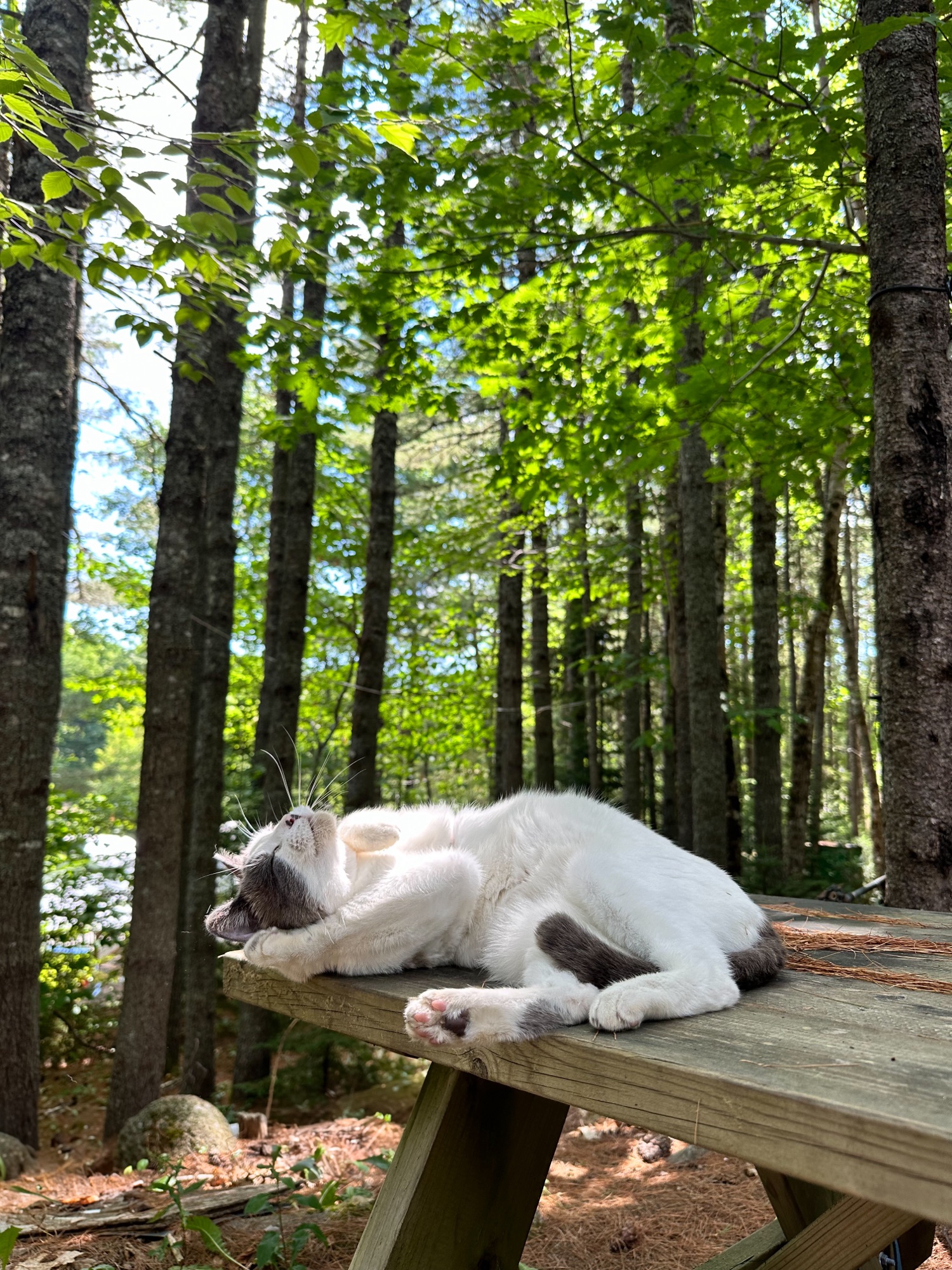
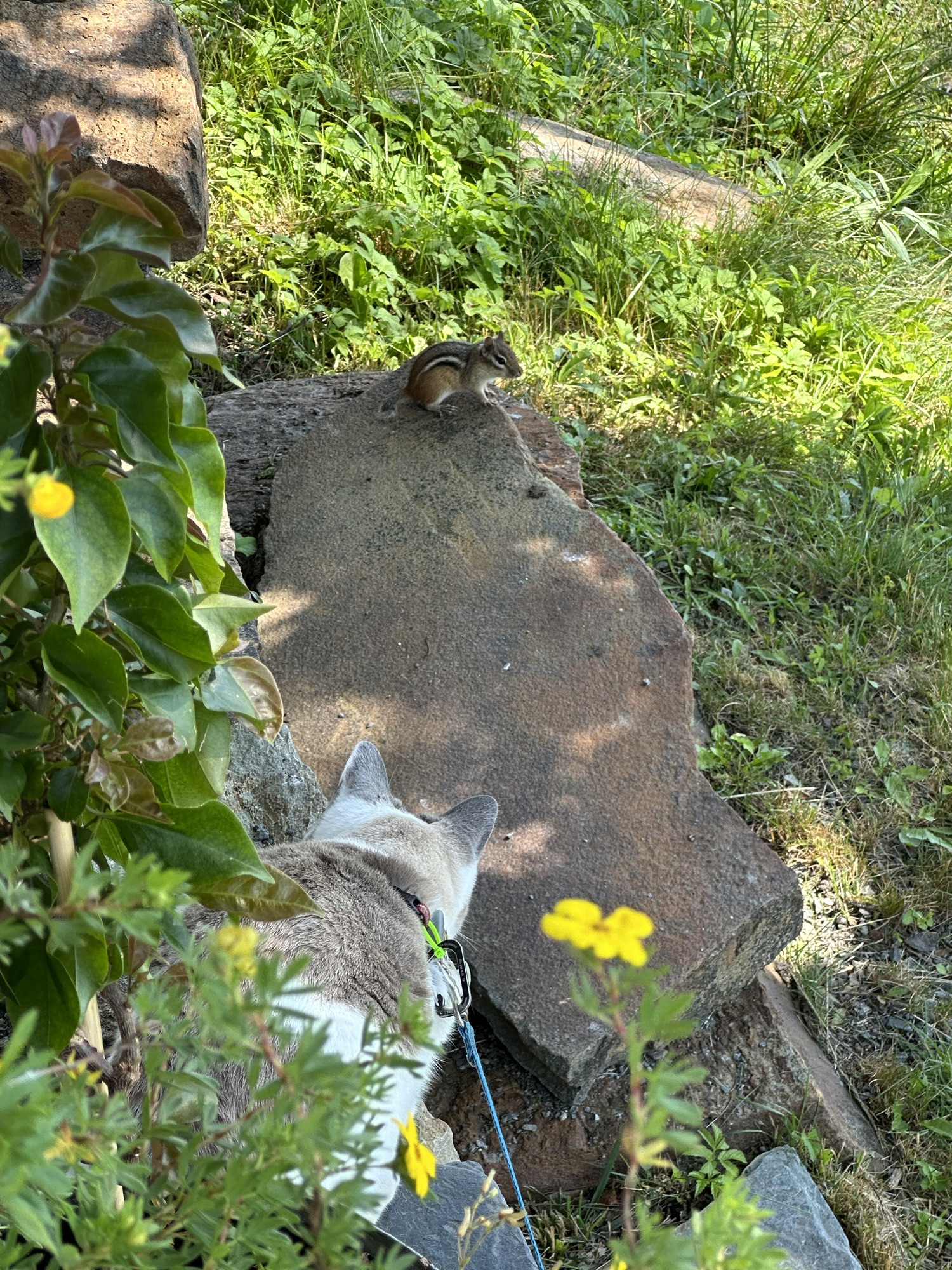
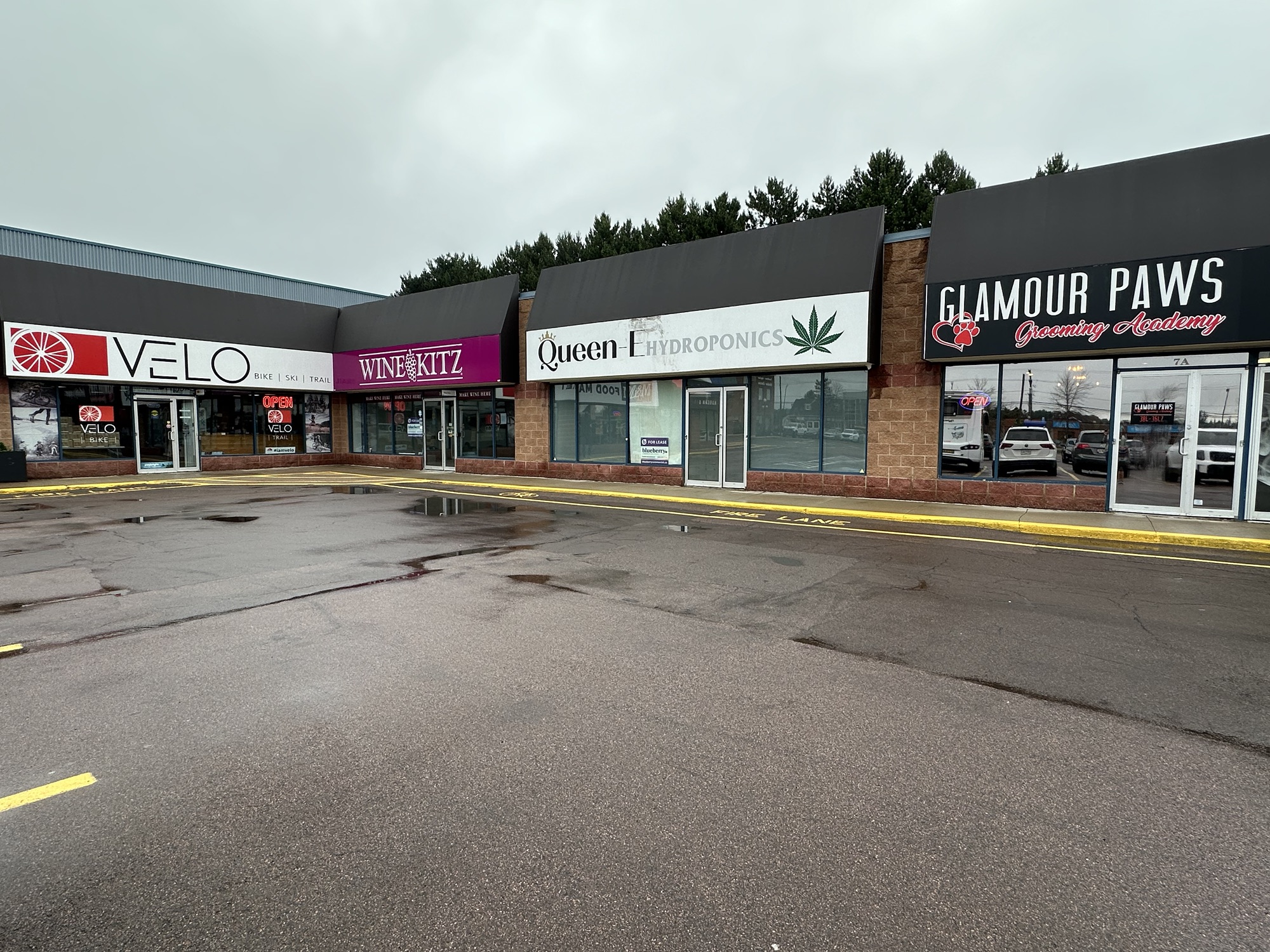
Jigsaw Blog Spot: I’ve enjoyed being back in Canada, their chipmunks are more friendly than the US ones I find. They still evade me though, I just want to play but they don’t seem to want to, they just make a racket to spoil my tranquility. Anyhow, the humans have done a grand job of parking in places which mean I can explore other peoples vehicles, spend time in grass that suits my sensibilities and they continue to feed and love me so all’s good in my world! I’ve still got it haven’t I, for the photo op! I did refuse a trip to Glamour Paws though, I think I look good enough in my England Scarf for the Euros.



 The Curious Adventures of the Cat in the Camper Van